

In this article
Batana oil can have a bold natural scent. Pure or traditionally processed batana oil is often described as smoky, nutty, earthy, roasted, coffee-like, or slightly woody. If you are used to light, perfumed hair oils, the smell may surprise you when you first open the jar.
A strong batana oil scent does not automatically mean something is wrong. It can come from the way the oil is processed, how raw or unrefined it is, and how much natural aroma remains in the batch. At the same time, smell should not be your only quality test.
A normal batana oil smell should feel roasted or earthy, not sour, sharp, chemical-like, musty, or spoiled. The goal is to know the difference before you apply it to your scalp or hair.
Key Takeaways
-
Pure batana oil often smells smoky, nutty, earthy, or roasted.
-
A strong scent does not automatically mean the oil is bad.
-
Sour, sharp, chemical-like, or musty odors may signal rancidity.
-
Smell should be checked with texture, color, label, and freshness.
What Should Pure Batana Oil Smell Like?
Pure batana oil usually has a warm, roasted scent rather than a floral or sweet perfume smell. Many people compare it to toasted nuts, roasted coffee, raw butters, or a woodsy oil. The exact scent can feel pleasant to one person and too strong to another because natural oil aromas are personal.
Traditionally processed batana oil is often linked to a smoky, nutty aroma because the palm nuts may be roasted before the oil is collected. Some batana oil sellers describe the scent as earthy and coffee-like because of that traditional extraction process. That does not mean every lighter-smelling oil is fake. Cold-pressed, filtered, deodorized, or blended oils may smell milder.
When you compare pure batana oil, pay attention to the whole product experience. A natural smell should match the ingredient list, texture, color, packaging, and seller transparency. If the oil smells roasted but also looks watery, has unclear ingredients, or arrives in poor packaging, the scent alone is not enough to judge quality.
For buyers comparing options, a broader batana oil collection can help show how different batana-focused products are positioned, but the label and ingredient list still matter.
Why Does Batana Oil Smell Smoky?
A smoky batana oil smell often comes from heat, roasting, and minimal processing. The scent can feel stronger than common hair oils because batana oil is not always stripped of its natural aroma. Unrefined oils often keep more of their original plant character, including earthy or toasted notes.
The smoky scent can also become more noticeable when the oil warms in your hands. A thick oil or butter-like texture may release more aroma as it melts. If you apply it to damp hair or use it in a warm bathroom, the scent may feel stronger at first.
Roasted Nuts Can Create a Toasted Scent
Roasting can bring out toasted, nutty, and coffee-like notes. That is why some people describe batana oil as smelling like roasted peanuts, burnt caramel, coffee grounds, or warm wood. The scent may be bold, but it should still feel like a natural roasted oil.
A smoky note is not the same as a burnt chemical smell. Normal roasted oil smells warm and earthy. A harsh solvent-like odor, sourness, or stale smell points to a different concern.
Raw Oil Can Keep More Natural Aroma
Raw or minimally processed batana oil may keep more of its natural scent. That can make the aroma feel heavier than a refined hair oil. If you prefer very light scents, raw batana oil may feel intense even when it is perfectly usable.
Raw aroma is one reason some people choose batana oil as a pre-wash treatment instead of a leave-in. It gives you contact time with the oil without making the scent part of your whole day.
Batch Differences Can Change the Strength
Natural oils can vary from batch to batch. One jar may smell more smoky. Another may lean nuttier, earthier, or slightly woody. Small scent differences can be normal when the oil is less processed.
Large differences deserve more caution. If a new jar smells sour, moldy, rancid, or completely unlike the product’s usual aroma, compare it with the label, texture, color, and expiration or freshness details. For a deeper quality check, use a broader purity lens and identify pure, authentic batana oil before relying on scent alone.
Does Batana Oil Smell Bad?
Batana oil can smell “bad” to someone who dislikes smoky or roasted scents. That does not always mean the oil is spoiled. A strong natural aroma can feel unfamiliar if you usually use clean, floral, fruity, or fragrance-free hair products.
Spoiled oil smells different. Rancid batana oil may smell sour, sharp, stale, chemical-like, musty, or off. The U.S. Food and Drug Administration notes that exposure to sunlight, air, and temperature changes can affect cosmetic products and may cause changes in color, texture, or smell through cosmetic shelf life changes. A Hims hair oil freshness guide also notes that a rancid or off smell can suggest oxidation in hair oils that have gone bad.
Scent should sit beside other warning signs. Check whether the oil has turned gritty, separated oddly, changed color in a dramatic way, or developed a texture that feels wrong for the product. If you want the fuller freshness and storage angle, review batana oil shelf life instead of trying to solve every freshness question by smell.
Do not try to cover a spoiled smell with essential oils, perfume, or conditioner. Masking rancid odor can make the product seem usable when it should be discarded.
How Long Does the Batana Oil Smell Last in Hair?
Batana oil smell is usually strongest at the start. You will often notice it most when you open the jar, warm the oil between your fingers, and apply it close to your face or scalp. After that, the scent often softens as the oil settles into the hair.
How long it lasts depends on the amount used, hair density, wash timing, and whether you leave it in. Thick, curly, coily, or high-density hair may hold scent longer because more oil can sit across the strands. Fine or low-density hair may feel overwhelmed by both the texture and the aroma if too much is applied.
When You First Open the Jar
The first smell can be the strongest because the aroma is concentrated inside the container. Let the jar sit open briefly before judging it. A normal scent should settle into roasted, nutty, earthy, or smoky notes.
If the first smell is sour, rotten, or chemical-like, do not assume it will improve once applied. Test the texture and appearance before using it on your hair.
During Application
The smell often becomes more noticeable when the oil warms. Rubbing a small amount between your palms can make the roasted scent bloom. Applying it near the scalp can also make the aroma feel stronger because it sits closer to your nose.
Use less than you think you need at first. If you are unsure about quantity, a practical amount guide such as how much batana oil to use can help prevent over-application.
After It Sits in Your Hair
Once the oil has been in your hair for a while, the scent may soften. Some people still notice it when their hair moves, when they lie down, or when they apply heat. Others find that it fades into a mild earthy smell.
For scent-sensitive users, a shorter pre-wash window is usually easier than overnight use. I noticed that using less oil made the scent feel much easier to manage.
After Washing It Out
A good shampoo should reduce most of the scent. Some faint aroma may remain if you used a heavy amount, applied it close to the scalp, or did not fully cleanse the hair. A second gentle wash may help if your hair still feels oily.
If the smell stays sour or stale after washing, check the product itself. Hair can hold on to odor when too much oil is used, but a spoiled product smell usually starts in the jar.
How to Use Batana Oil If You Are Sensitive to Smell
If you like the idea of batana oil but dislike strong hair oil smell, use it in a way that limits scent exposure. A pre-wash method is often the most comfortable because the oil does not need to stay in your hair all day.
Scent sensitivity can also overlap with skin sensitivity. If your scalp reacts easily, test carefully before using a new oil over a large area. A simple patch test for hair oil is a safer first step than applying it across your whole scalp.
Start With a Small Amount
Start with a pea-sized or fingertip amount, then adjust based on your hair length and density. Too much oil can make the scent feel heavier and harder to wash out. It can also leave the hair looking greasy.
Warm the oil in your hands, then apply it where you need it most. For many people, the mid-lengths and ends are easier than the scalp if scent is the main concern.
Use It Before Washing
A pre-wash treatment gives you more control over scent. Apply a light amount before shampooing, let it sit for a short period, then wash it out. This works especially well if you want the oil experience without wearing the aroma outside your home.
Timing matters. A page on when to oil hair before shampooing can help you keep the treatment practical instead of turning it into a heavy leave-in.
Keep It Away From Heavy Leave-In Use
Heavy leave-in use makes the smell last longer. It can also weigh down the hair, especially if your strands are fine, oily, or easily flattened. Trichologist Hannah Gaboardi explains in Vogue that batana oil is better understood as a nourishing hair treatment than a clinically proven follicle-growth treatment, and she notes that its thick texture may not suit every hair type in the same way through batana oil hair guidance.
If you want to leave a small amount in, keep it away from the root area at first. Use the smallest possible amount on the ends, then see how your hair and nose respond.
Avoid Masking a Spoiled Smell
Do not add fragrance to oil that smells rancid. Essential oils, perfume, or scented conditioner may cover the odor, but they will not fix oxidation or spoilage. If the oil smells sour, stale, or off, it is better to stop using it.
Masking can also make it harder to notice future changes. A clean product check should be simple: smell, texture, color, ingredient list, packaging, and freshness information should all make sense together.
Know What Does Batana Oil Smell Like Before Buying
Batana oil is not usually a scentless, perfume-like hair oil. A pure or traditionally processed version may smell smoky, nutty, earthy, roasted, coffee-like, or slightly woody. That scent can be normal, especially when the oil is raw, minimally processed, or made with roasting.
A bad smell is different. Sour, sharp, chemical-like, musty, or stale odor should make you pause, especially if the texture or color has changed too. Use scent as one clue, not the whole test.
Better expectations make the product easier to judge. When you know the normal aroma before you buy, you are less likely to mistake a natural roasted scent for spoilage, and less likely to ignore a true warning sign.
Featured Product
30% Off + 3 FREE Gifts
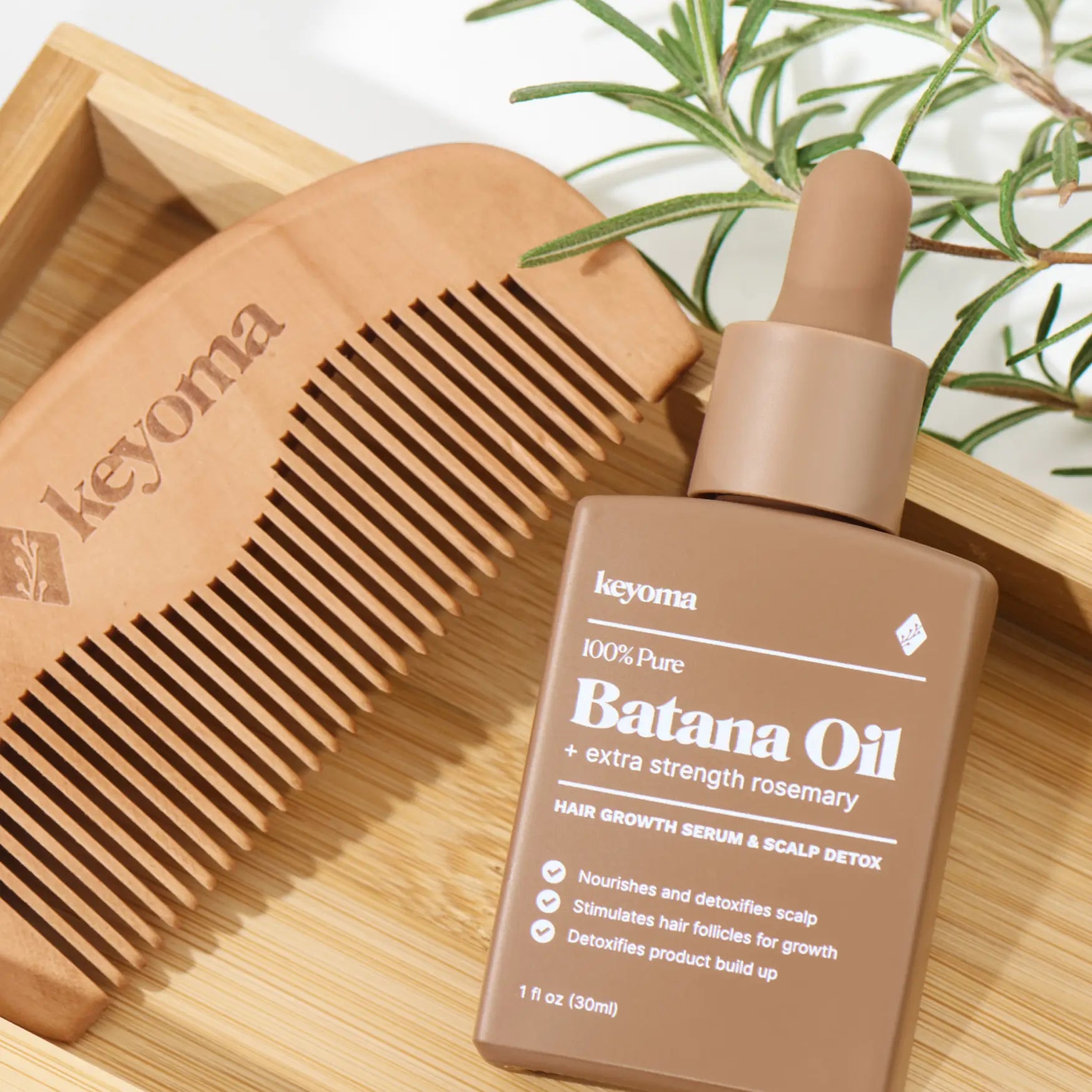
100% Pure Batana Oil + Rosemary


