

In this article
Migraine, headaches, and autoimmune disorders can all lead to scalp pain, irritation, or inflammation. Sunburn, rashes, small wounds, and insect bites also commonly make the scalp feel tender.
Most causes of scalp tenderness improve on their own or with treatment, but in some cases the pain can point to an underlying condition.
Scalp tenderness can show up as pain, inflammation, tingling, numbness, irritation, itching, throbbing, or stinging. You may notice more than one symptom at the same time.
Problems that affect the blood vessels, nerves, or tissues under and around the scalp can trigger this kind of tenderness.
Sometimes there are no visible signs at all. Other times, the tenderness is easier to spot because the skin may peel, flake, or scale.
Key Takeaways
-
Scalp pain may show up as tenderness, itching, stinging, throbbing, flaking, or inflammation.
-
Common triggers include headaches, dandruff, psoriasis, allergies, folliculitis, and tight hairstyles.
-
Cold weather, indoor heat, and harsh products can make dryness and soreness worse.
-
The best relief depends on the cause and may involve gentler care or simple home steps.
Why Do My Hair Follicles Hurt?
That frustrating scalp pain is often tied to poor hair care habits or not getting enough rest. Sometimes, though, it can come from a medical issue. If you keep dreading brushing your hair or lying down because it hurts, and you keep wondering, “why does my hair hurt even when I touch it?” it is a good idea to see your doctor and make sure nothing more serious is happening.
Causes of Painful and Tender Scalp
Most of the time, scalp pain is not a sign of anything serious. In fact, many cases of scalp tenderness can be managed at home.
A sore scalp can come from several different causes, including:
-
Headaches
-
Eczema
-
Dandruff
-
Scalp folliculitis
-
Contact allergy
-
Scalp psoriasis
-
Seborrheic dermatitis
-
Ponytail headache
Other things can also explain the pain, especially during colder months. Dry winter air can expose your scalp to strong temperature swings. Moving from freezing outdoor air to warm central heating indoors can dry the scalp out and lead to flaking and tenderness.
Dandruff and seborrheic dermatitis are caused by the same type of fungus, but the symptoms are not always the same. Dandruff usually leads to small white flakes near the scalp and may come with mild itching. Seborrheic dermatitis is often more severe and can also bring redness and scaling.
The good part is that both conditions are usually easy to spot and treat. If you are unsure whether you have dandruff or seborrheic dermatitis, ask a doctor or pharmacist for guidance. In many cases, they can tell which one it is by looking at your scalp and asking about your symptoms.
Ways To Relieve Pain Based on Causes

The main thing most people want to know is how to ease the pain. Even though the tenderness and inflammation can be irritating, the good news is that many cases improve within a few weeks.
There is no single fix that works for every kind of scalp pain, but there are several things you can try to calm the tenderness.
Home Remedies
If your scalp pain comes from a tension headache, there are a few home steps that may help. A hot or cold compress on the scalp can ease discomfort. Relaxation techniques such as meditation, soothing music, and deep breathing may also help lower the stress that can trigger tension headaches.
Scalp sunburn can usually be managed at home with a cool shower or a cold compress. In worse cases, sunburn on the scalp may lead to peeling skin, and you might lose some hair in that area, but it should grow back once the skin heals.
Skip Ponytails
Most people know that tight hairstyles like high ponytails, buns, and braids can contribute to traction alopecia. What is less obvious is that these styles can also stress the follicles and make the scalp hurt.
For me, even slightly looser styles tended to ease that pulled, sore feeling. The simplest fix is to give your hair a break, wear it down when possible, choose styles that do not pull as tightly, and avoid sleeping in them.
Itchy Scalp
If your scalp still feels itchy and irritated, it may help to stop using any products that could be triggering the pain. Some people develop an allergic reaction to products they have used for a long time, and that can sometimes explain tenderness.
It is worth using as little product as possible for a while to see whether your symptoms settle down. You may also want to switch shampoos or conditioners in case one of them is the problem.
Dandruff or Seborrhoeic Dermatitis
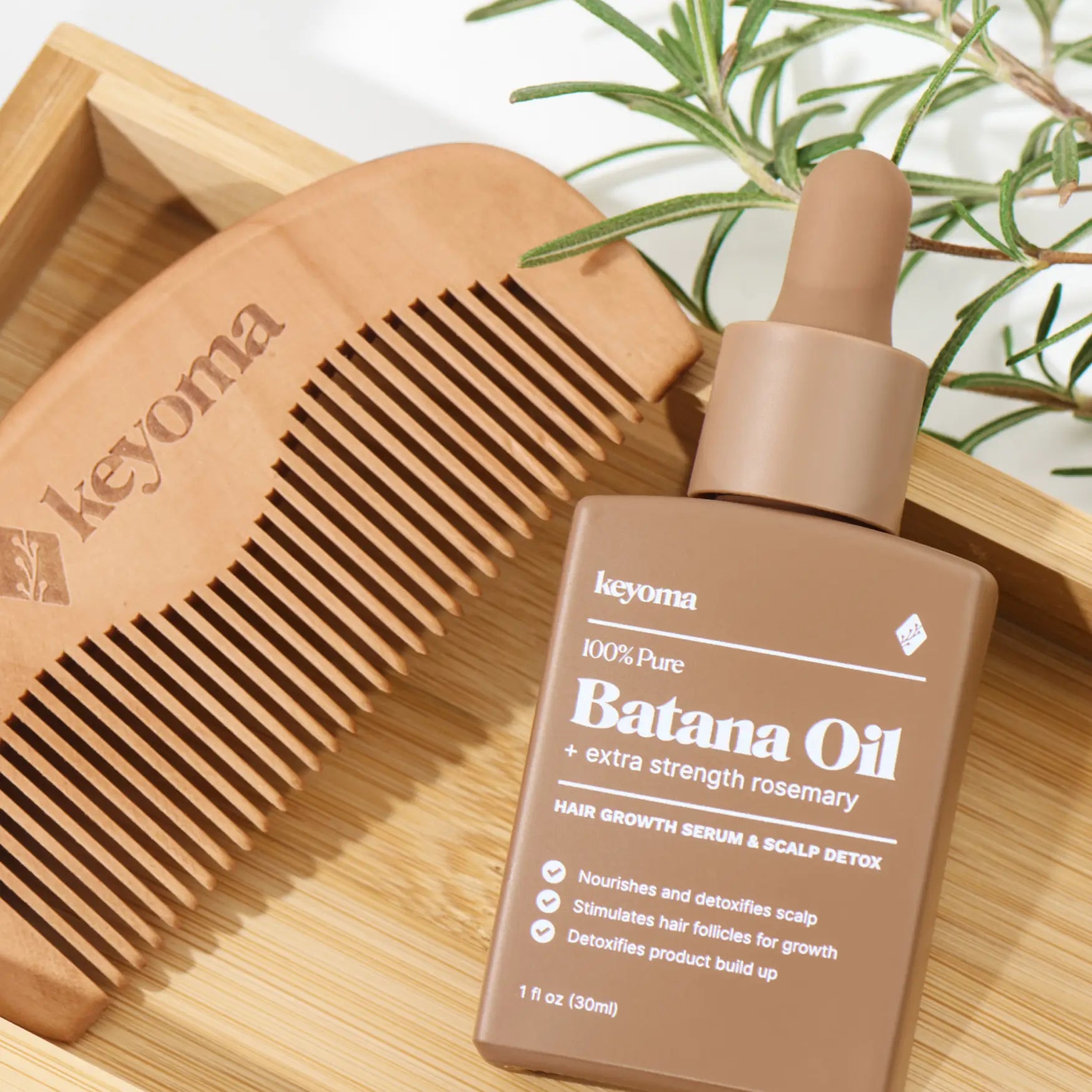
If you are dealing with dandruff or seborrheic dermatitis, Keyoma’s 100% Pure Batana Oil with Rosemary may be worth considering in your scalp routine. Dandruff affects about half of adults, while seborrheic dermatitis affects roughly 3% to 10% of people, so for many people this goes beyond appearance alone.
Early data suggests rosemary has antimicrobial and antifungal activity, which may make this blend a more natural option for supporting scalp comfort instead of just covering flakes. Batana oil may also help by holding in moisture and easing the dryness that can make flaking stand out more.
Winter Soreness
Cold weather and indoor heating can both make a sore scalp worse. One way to protect your scalp outside in winter is to wear a breathable hat. Fabrics like wool or cotton allow some airflow without creating the same drying effect.
To help prevent everyday scalp tenderness, be as gentle as you can with both your hair and scalp. That may mean avoiding drying or harsh ingredients, or simply brushing more slowly and carefully.
No matter what type of brush you use, try brushing gently, starting at the ends and working upward toward the roots. Any extra tension can add to scalp tenderness, so it helps to keep that in mind whenever you style your hair.
Address The Reason For Scalp Pain for Lasting Relief
Explore more Keyoma blogs if your scalp keeps signaling that something underneath is off. It is easy to brush scalp pain off as a small annoyance, but it often reflects irritation, tension, or dryness that has been building up before the discomfort becomes obvious.
One useful point from the article is that many cases can get better within just a few weeks, which means tenderness is often more responsive than it feels at first. That matters because waiting for it to simply pass can keep the same cycle going.
A better approach is to keep paying attention, learn what your symptoms may be pointing to, and give your scalp the kind of care that supports longer-lasting comfort.
Featured Product
30% Off + 3 FREE Gifts
100% Pure Batana Oil + Rosemary


