

In this article
A clogged scalp feeling after hair oil does not always mean your pores are blocked. Many people use that phrase to describe roots that feel heavy, coated, sticky, warm, itchy, or hard to wash clean after oiling.
Most of the time, the problem comes from the routine around the oil, not the idea of oiling itself. Too much product, oil placed too close to the roots, long contact time, sweat, product layering, or poor washout can all make the scalp feel suffocated.
A lighter approach can help you keep the softening benefits of hair oil without making your scalp feel weighed down. The goal is not to force scalp oiling. It is to adjust the amount, placement, timing, and wash schedule so your scalp feels clean again.
Key Takeaways
-
A clogged feeling usually means heaviness, residue, or coated roots.
-
Too much oil can make the scalp feel sticky and hard to rinse.
-
Thick oils often work better on mid-lengths and ends.
-
Pain, pus, burning, or worsening itch means you should pause.
Why Does Your Scalp Feel Clogged After Oil?
A heavy scalp after oiling usually starts with product sitting where your scalp produces its own oil. Your scalp already makes sebum, and added oil can mix with sweat, styling residue, dead skin, and shampoo that was not fully rinsed away.
That combination can create a scalp buildup feeling even when nothing serious is happening. A health-reviewed overview of scalp buildup notes that buildup can involve hair-care products, skin cells, sweat, oils, or a mix of these. In daily life, that may feel like flat roots, residue under your fingertips, itchiness, or hair that does not feel fresh after washing.
Too Much Oil
More oil does not always mean more benefit. A heavy layer can sit on the roots, spread toward the hairline, and make shampooing harder. Thick oils can also cling to fine hair or oily roots longer than expected.
If you realize you used more than your scalp could handle, treat the next wash like a reset, not a punishment. A practical page on what to do if you used too much batana oil can support that kind of adjustment without turning the routine into over-cleansing.
Oil Too Close to the Roots
Root placement matters. Oil applied directly to the scalp or too close to the part line can spread quickly, especially if your scalp is naturally oily or you sweat during the day. Fine hair can show this faster because there is less density to absorb or disguise the coated feeling.
If the scalp feels heavy after every use, move the oil lower. Guidance on how to use batana oil without greasy roots follows the same logic: keep the richest application away from the area that gets oily first.
Long Contact Time
Leaving oil on for too long can make a light treatment feel like buildup. A short pre-wash oiling session may feel comfortable, while the same amount left on for several hours may feel sticky, warm, or hard to remove.
Dermatologist Shilpi Khetarpal, MD, suggests using a small amount of oil, applying it from the middle of the hair to the ends, and washing it out after a set period. That supports a lighter, time-limited approach when your scalp feels heavy after oiling.
Poor Washout
Oil can stay behind if shampoo only runs through the hair instead of reaching the scalp. A quick rinse may remove the obvious slickness, but the roots can still feel coated once the hair dries.
Cleveland Clinic’s hair-washing guidance says shampoo should be applied to the scalp, while conditioner belongs on the ends. If thick oil is hard to remove, a focused scalp wash and careful rinse usually work better than scrubbing the lengths aggressively. For richer oils, a step-by-step page on how to wash out thick hair oil can help you clean the roots without stripping the rest of your hair.
Is It Really Clogged Pores?
A clogged feeling and clogged pores are not the same thing. The scalp can feel coated from residue without true pore blockage. At the same time, oil-based hair products can affect the skin around the hairline, forehead, temples, and neck.
The American Academy of Dermatology says hair products that contain oil can move onto the skin, clog pores, and lead to whiteheads or small bumps. That risk is more about the skin around the hairline than a general heavy feeling across the whole scalp.
Watch the pattern. If you feel heaviness but see no bumps, the issue may be routine-related residue. If you notice small breakouts along the hairline after oiling, oil transfer may be part of the problem. Keep oil away from the hairline, wash pillowcases and headwear if residue transfers, and avoid letting oiled hair sit against the face.
Painful bumps, pus, burning, spreading redness, or worsening itch are different. Those signs deserve a pause from scalp oiling and professional advice, especially if they keep coming back.
How to Fix and Prevent Clogged Scalp
A lighter routine should make the scalp feel cleaner without making the hair feel neglected. Start by changing one or two variables at a time. If you change the oil amount, placement, timing, and shampoo all at once, it becomes harder to tell what actually helped.
The best fix depends on your scalp type. Oily roots may need less direct scalp oiling. Fine hair may need a smaller amount. Dry ends may still enjoy oil, even if the scalp does not.
Use Less Oil Than You Think
Start with less than you think you need. Warm a tiny amount between your palms first, then apply it only where your hair feels dry or rough. Add more only if the hair still needs it.
Cleveland Clinic’s oiling guidance uses a pea-sized amount as a starting point. That may still vary by hair length and density, but the principle is useful: small amounts are easier to spread and easier to wash out.
For a scalp that feels clogged after oiling, frequency matters too. If heaviness appears after repeated use, adjust your hair oiling frequency before assuming oil is wrong for your hair.
Keep Thick Oils Away From the Roots
Thick oil is not automatically bad, but placement can make or break the result. Mid-lengths and ends usually tolerate richer oils better because they are older, drier, and farther from natural scalp oil.
If your scalp feels coated, try ends-only hair oiling for a few uses. Apply oil from the mid-lengths down, keep it away from the part line, and avoid pressing oily hands into the scalp after application.
This approach can work especially well for fine hair, oily roots, or hair that gets flat quickly. You are not giving up oil. You are putting it where it is less likely to create a heavy scalp feeling.
Shorten Contact Time
A long oiling session can be too much for a sensitive or oily scalp. Instead of leaving oil on for hours, try a shorter pre-wash window. Twenty minutes to one hour is often easier to manage than an overnight application.
Shorter contact time also makes it easier to wash the oil out fully. If your hair still feels soft after a brief session, there is no need to stretch the timing just because longer routines are popular online.
For rosemary blends, keep the same caution. A rosemary and batana oil routine should be scalp-focused only when your scalp tolerates it, the amount is small, and the oil is washed out well.
Wash the Scalp, Not Just the Hair
When oil sits near the roots, shampoo needs to reach the scalp. Use the pads of your fingers to massage the cleanser along the part line, crown, temples, and nape. Let the suds pass through the lengths instead of piling shampoo onto dry ends.
Rinsing deserves just as much attention. Oil and cleanser can hide near the nape or behind the ears, especially with dense hair. Keep rinsing until the roots feel clean under your fingers, not just until the water looks clear.
If you use styling creams, dry shampoo, gels, or leave-ins, oil may layer over existing residue. A periodic deeper wash may help, but avoid turning every wash into a harsh stripping session.
Pause When Your Scalp Pushes Back
Some scalps do not like direct oiling. If your scalp is oily, flaky, itchy, or sensitive, placing oil directly on it should not be automatic.
The Canadian Dermatology Association cautions that oil can accumulate on the scalp and may attract forms of yeast. That does not mean all hair oil is bad. It means scalp placement should match your scalp’s condition.
Pause scalp oiling if you notice burning, painful bumps, pus, worsening itch, or repeated heaviness after every use. You can still use oil on the lengths and ends while you reassess the scalp.
Is Thick Oil Bad for Your Scalp?
Thick oil is not bad by default. The issue is fit. A richer oil can feel helpful on dry, coarse, curly, or high-friction lengths, but too heavy on oily roots, fine hair, or a sensitive scalp.
Pure batana oil, for example, may be better used on mid-lengths and ends if your scalp feels heavy after oiling. A small amount of pure batana oil can be treated as a targeted hair oil rather than something that must go directly on the scalp.
Texture also changes how oil behaves. Fine hair can look weighed down with a small amount. Dense or coarse hair may need more product before it feels evenly coated. A flaky or oily scalp may prefer less direct oil, shorter contact time, and a stronger focus on washout.
Avoid the all-or-nothing trap. If thick oil makes your scalp feel clogged, use less, apply lower, leave it on for less time, or reserve it for the ends. Your scalp’s response is the best guide.
Reduce Clogged Scalp Feeling After Hair Oil Without Residue
A clogged scalp feeling after hair oil usually points to a routine mismatch. The oil may be too much, too close to the roots, left on too long, layered over sweat or styling residue, or not washed out fully.
You may not need to quit hair oil. Try a smaller amount, shorter contact time, ends-first placement, and a wash schedule that fits your scalp. If your scalp still feels heavy every time, pause direct scalp oiling and keep oil on the lengths instead.
Clean roots and softer ends can exist in the same routine. The safest version is the one your scalp can tolerate without heaviness, bumps, burning, or repeated irritation.
Featured Product
30% Off + 3 FREE Gifts
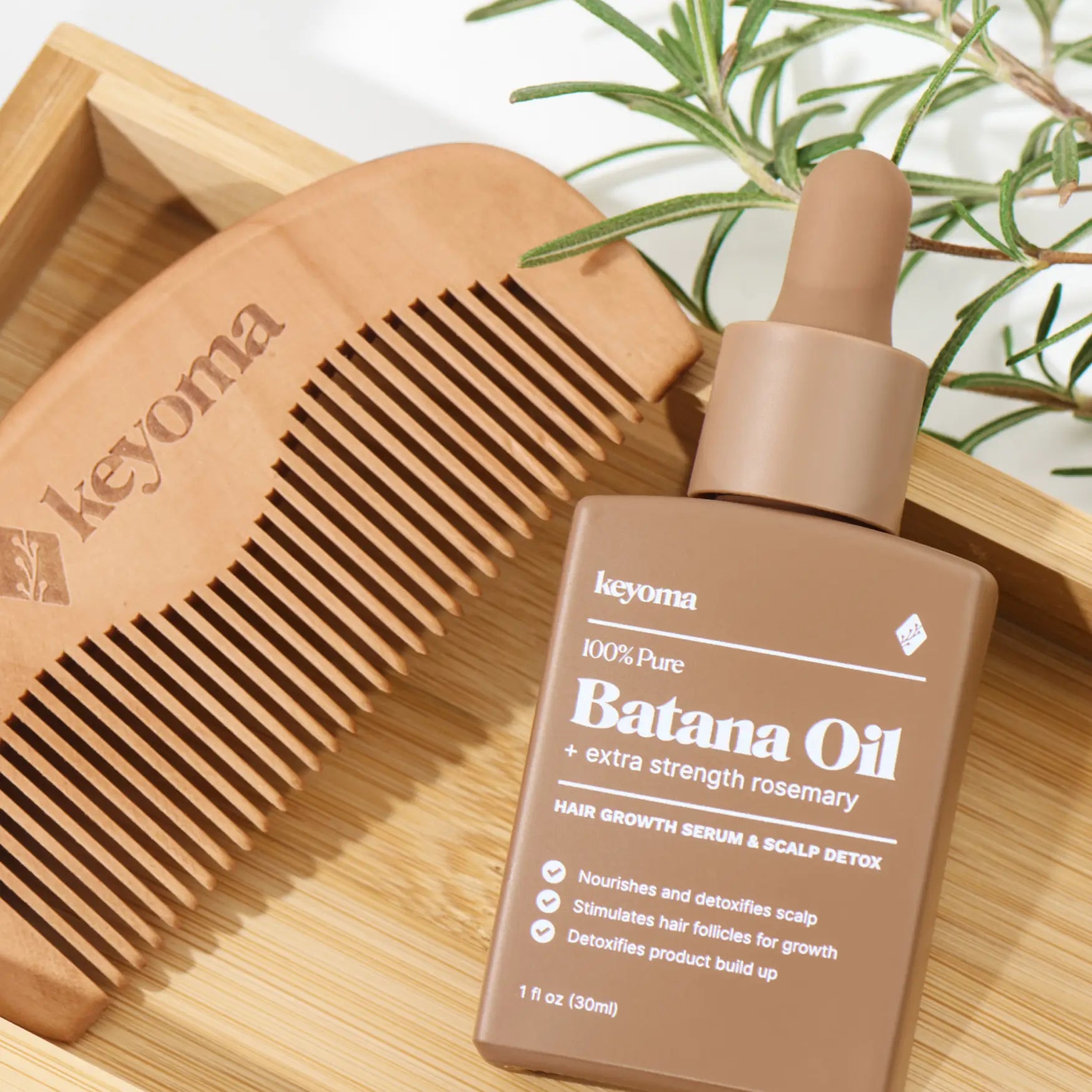
100% Pure Batana Oil + Rosemary


