

In this article
Hair oil is not automatically spoiled because it was left in a hot car. However, its safety and quality cannot be confirmed by looking at the outdoor temperature or counting the hours alone.
Heat exposure affects formulas and packaging differently. Where the bottle sat, whether sunlight reached it, how long it stayed there, and whether the container remained sealed all matter. The product’s tested stability limits should guide the final decision.
Keep the bottle closed, move it indoors, and inspect the packaging before using the oil. If the bottle is damaged or the oil develops an unusual smell, appearance, or texture, stop and contact the manufacturer.
Key Takeaways
-
Hot-car exposure has no universal safe temperature or time limit for hair oils.
-
Keep the bottle closed while reviewing its packaging and recent exposure history.
-
New changes in smell, texture, appearance, or packaging need closer inspection.
-
Contact the manufacturer when the product’s condition remains unclear after assessment.
Why a Parked Car Creates an Uncertain Exposure
“Left in a hot car” can describe many different conditions. A bottle stored under a seat for a short errand does not experience the same environment as one left on a dashboard in direct sunlight for an afternoon.
The outdoor temperature also does not tell you the exact temperature of the oil. Sunlight, vehicle color, ventilation, and the bottle’s position all influence how much heat reaches the product.
Before deciding what to do, consider:
-
How long the bottle stayed inside the vehicle
-
Whether the car was parked in direct sunlight or shade
-
Whether the bottle was on the dashboard, seat, floor, or inside the trunk
-
Whether the vehicle was opened or air-conditioned during that period
-
Whether the oil was still sealed or had already been opened
-
Whether the bottle was inside a bag, box, or other protective packaging
-
Whether you noticed leakage or packaging damage afterward
This history provides context, but it does not replace product testing. Even a precise estimate cannot confirm what happened inside the formula.
Heat, Light, Air, and Packaging Work Together
Heat is only one part of the exposure. Direct sunlight can add another source of stress, while a loose closure can expose the oil to more air. Leakage or a damaged dropper may introduce a separate packaging concern.
The FDA’s cosmetic shelf-life guidance notes that temperature changes and exposure to sunlight and air can alter a cosmetic product’s smell, color, and texture.
These changes do not occur at the same speed in every product. Formula, packaging, storage history, and exposure duration all affect stability. ISO guidance also explains that there is no single stability-testing method suitable for every cosmetic product. Manufacturers must select and justify the conditions used for their formulas and packaging.
For that reason, a temperature limit taken from cooking oil, essential oil, or another hair serum should not be applied automatically to your bottle.
Record What Happened Before Inspecting the Oil
Write down the basic exposure details while you still remember them. This record will also help the manufacturer assess the situation if you need support.
Start with these questions:
-
When did you place the bottle in the car?
-
When did you remove it?
-
Was the vehicle parked in direct sunlight?
-
Where was the bottle inside the vehicle?
-
Was it sealed, unopened, or already in use?
-
Was it upright or lying on its side?
-
Did you notice leakage, a loose cap, or damage?
-
Can you find the order number and batch or lot details?
Do not try to calculate the oil’s internal temperature from a weather report. A thermometer reading outside the vehicle does not reproduce the conditions around or inside the bottle.
Photos can also help. Take clear pictures of the label, closure, seal, dropper, and any leaked material before cleaning the container.
Let the Closed Bottle Return to Indoor Conditions

Place the bottle upright in a dry indoor location away from direct sunlight. Leave the cap or dropper closed while the container adjusts naturally.
The goal is not to “repair” the oil. This step only allows you to handle and inspect the bottle under stable conditions. Cooling does not reverse oxidation, restore a damaged closure, or confirm that the formula remains within specification.
Do Not Use Extreme Cooling as a Recovery Method
Placing the bottle in a refrigerator, freezer, ice bath, or air-conditioning vent does not prove that the oil is safe. Rapid temperature changes may also make the product harder to assess.
Follow the storage directions on the bottle. If the label does not explain what to do after excessive heat exposure, contact the manufacturer rather than creating a home recovery process.
Do Not Heat, Open, Shake, or Transfer It
Avoid altering the oil while you assess its condition. Do not:
-
Microwave or boil the bottle
-
Place it in hot or cold water
-
Leave it in sunlight to “even out” the temperature
-
Open it repeatedly to release heat
-
Add fragrance or another oil
-
Transfer it into a different container
-
Shake it unless the product directions permit shaking
Transferring or mixing the oil can hide warning signs and make it harder for the manufacturer to evaluate the original problem.
Inspect the Bottle Before Using the Oil

Check the container before opening it. Packaging damage may be easier to identify than a change inside the formula.
Check the Glass, Dropper, Seal, and Closure
Look at the bottle from several angles under indirect light. Inspect it for:
-
Cracks or chips in the glass
-
Leakage around the neck
-
A loose, warped, or distorted cap
-
Damage to the dropper
-
A lifted, broken, or missing seal
-
Unusual material around the opening
-
Moisture droplets inside the bottle
-
Foreign particles that were not present before
Do not use oil from a cracked bottle or damaged glass dropper. Heat exposure and packaging damage are separate concerns, and intact-looking oil does not make broken packaging safe.
If you find damage, keep the bottle away from children and pets. Do not strain or decant the oil in an attempt to remove possible glass fragments.
Compare the Smell With the Normal Scent
Once the bottle has returned to stable indoor conditions and the packaging appears intact, check whether the oil smells different from when it was fresh.
Warning signs include a new sour, stale, waxy, paint-like, or unusually sharp odor. A natural oil may already have an earthy, nutty, roasted, or herbal aroma, so strength alone does not establish deterioration.
Ask whether the scent has changed, not whether it smells like a conventional fragranced serum.
For a fuller pattern-based assessment, review the signs hair oil has gone rancid. Smell is an important clue, but it cannot confirm chemical stability or rule out contamination by itself.
Compare Its Appearance and Dispensing Behavior
Inspect the oil under neutral or indirect light. Tinted glass, shadows, and glare can make color and clarity difficult to judge.
Look for a substantial new change, such as:
-
Unexpected darkening
-
New cloudiness
-
Unfamiliar separation
-
Sticky, gummy, or stringy consistency
-
Hard or unexplained particles
-
Foreign material
-
A major change in how the oil leaves the dropper
Use several clues together. Color alone is not enough to determine whether oil has deteriorated.
Natural ingredients may produce modest differences between bottles. Keyoma’s guide to normal Batana oil batch variation explains why color, scent, and consistency should be compared with product-specific records rather than a universal visual standard.
Cloudiness and thickening also require context. Those changes sometimes follow low-temperature exposure, which is a different issue from a bottle left in a hot vehicle. Review the guide to cold-related hair oil changes if the bottle was exposed to winter shipping, refrigeration, or an unheated environment.
Decide Whether to Pause, Contact Keyoma, or Stop Using It
No home inspection can confirm every aspect of cosmetic stability. The observations below help you choose a cautious next step.
|
What You Find |
What to Do |
|
The packaging is intact and nothing appears different |
Follow the product’s storage instructions and verified manufacturer guidance |
|
You do not know how long or how intensely the bottle was heated |
Keep it closed and contact the manufacturer |
|
One feature has changed, but the cause is unclear |
Pause use and request product-specific guidance |
|
The seal, cap, bottle, or dropper is damaged |
Do not use the oil |
|
The oil has a new abnormal odor |
Stop using it and contact the manufacturer |
|
Several changes appear together |
Do not apply the oil |
|
You see moisture, foreign material, or suspected contamination |
Stop using the product |
|
You develop an unexpected reaction after use |
Stop use and seek medical advice if symptoms continue or worsen |
A normal appearance does not prove that an oil stayed within its tested specifications. At the same time, heat exposure does not automatically mean that every sealed bottle must be discarded. The manufacturer’s stability data should control that decision.
Do not apply questionable oil to a small area of your scalp as a safety test. A patch test may help assess sensitivity to a fresh product when performed properly, but it cannot prove that an overheated bottle remains chemically stable or free from contamination.
The FDA recommends stopping use when a cosmetic product has a bad smell, unusual color change, or foreign material. It also advises consumers to stop using a cosmetic and contact a healthcare provider after an unexpected reaction.
Seek urgent medical care for trouble breathing, facial swelling, blistering, or a rapidly worsening reaction.
What to Send Keyoma Support
A detailed support request gives Keyoma more useful information than a message stating that the bottle “got hot.”
Include:
-
Your order number
-
The batch or lot number
-
Your purchase and delivery dates
-
Whether the bottle was opened
-
The estimated exposure period
-
Where the bottle sat inside the vehicle
-
Whether direct sunlight reached it
-
Photos of the bottle, label, seal, cap, and dropper
-
Photos of leakage or packaging damage
-
A description of any change in smell, color, clarity, or texture
Keep the oil sealed and unchanged while waiting for guidance unless broken glass or leakage creates an immediate physical hazard. Do not dispose of the bottle before support reviews it unless safe storage is not possible.
Prevent Hair Oil From Overheating During Travel and Delivery
The simplest prevention step is to avoid treating your vehicle as a storage space. Remove hair oil after each trip, even if you expect to return soon.
When traveling:
-
Keep the bottle upright inside a protective bag
-
Store it away from windows and dashboards
-
Avoid leaving it in a parked vehicle
-
Close the dropper or cap securely
-
Follow the storage instructions on the product
-
Check the bottle after flights or long road trips
-
Retrieve outdoor deliveries promptly
-
Document packages that arrive hot, wet, leaking, or damaged
Do not store hair oil permanently in a refrigerator or insulated cooler unless its manufacturer provides those directions. Routine storage should follow the conditions tested for that specific formula.
Protect Your Routine With Product-Specific Guidance
A hot-car incident does not offer a simple yes-or-no answer. Check the exposure history, let the closed bottle adjust indoors, inspect its packaging, and compare its smell, appearance, and texture with its normal condition.
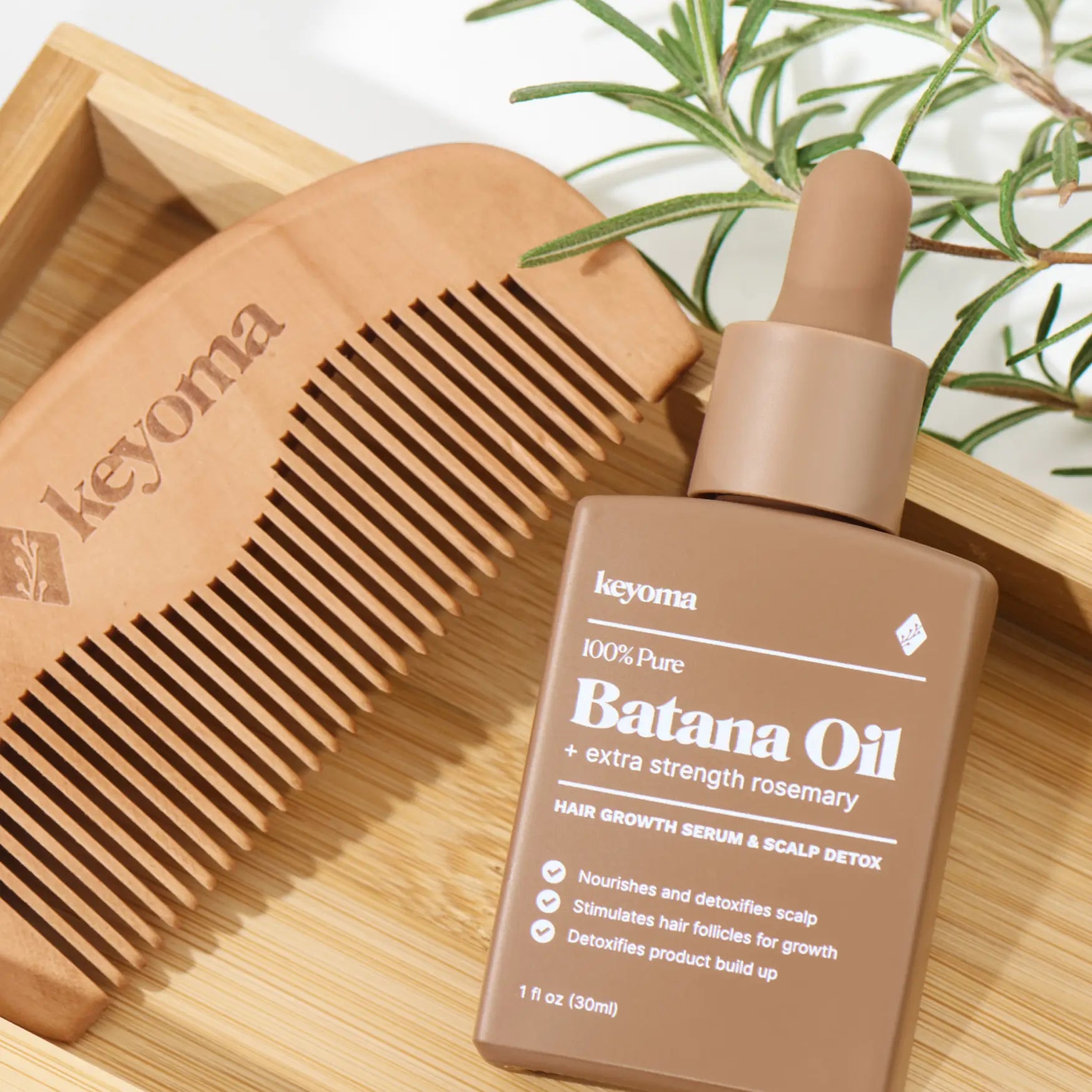
If anything remains uncertain, pause before applying it. Keyoma Batana Oil with Rosemary should be assessed according to the finished formula, retail packaging, and Keyoma’s verified testing rather than limits borrowed from another oil.
Review the current Keyoma Batana Oil with Rosemary product guidance and contact Keyoma with the bottle’s batch information and clear photos when needed. A product-specific review is more dependable than trying to prove safety through a home test.
Frequently Asked Questions
Is hair oil ruined if it gets hot?
Not automatically. The result depends on the formula, packaging, exposure conditions, and any changes that appear afterward. Follow the manufacturer’s tested guidance instead of using one temperature limit for every oil.
Can I use hair oil after it cools down?
Cooling alone does not confirm that the oil remains stable. Inspect the packaging and product, then contact the manufacturer if the exposure or condition is uncertain.
Should I refrigerate hair oil after leaving it in a hot car?
No, unless the manufacturer specifically recommends refrigeration. Rapid cooling is not a proven recovery method and does not reverse changes caused by heat, light, or air exposure.
Can I tell whether overheated hair oil is safe by smelling it?
No. A new abnormal odor is a reason to stop and investigate, but an unchanged smell cannot confirm chemical stability or rule out contamination.
What if my hair oil was delivered hot?
Keep the bottle closed and document the package condition. Check for leakage, seal damage, unusual odor, or changes in appearance and texture. Contact the seller when the bottle’s condition or exposure history remains unclear.
Featured Product
30% Off + 3 FREE Gifts
100% Pure Batana Oil + Rosemary


