

In this article
Hair oiling for men can be useful, but it is not automatically the right move for every scalp or haircut. Weekly oiling works best when your hair is medium to long, dry, coarse, curly, textured, or easy to tangle. It works less well when your scalp already gets oily fast, flakes often, or breaks out around the hairline.
The biggest mistake is treating scalp oil and ends-only oil as the same routine. They solve different problems. Scalp oil is mainly for a dry, tight-feeling scalp that tolerates oil well. Ends-only oil is usually better for long hair with greasy roots and dry tips.
A good hair oil routine for men should feel controlled, not heavy. Use less oil than you think, place it where your hair actually needs it, and wash it out properly when you use a richer oil before shampooing.
Key Takeaways
-
Weekly hair oiling works best for long, dry, coarse, curly, or textured hair.
-
Men with oily scalps, flakes, or buildup may need ends-only oiling instead.
-
Use a small amount of oil and focus on dry lengths or ends.
-
Shampoo thoroughly after pre-wash oiling to avoid greasy roots.
Is Weekly Hair Oiling Good for Men?
Weekly hair oiling can be good for men who need more softness, slip, and control through the lengths. Men with longer hair often notice dryness first at the ends because that hair is older, more exposed to friction, and farther from the scalp’s natural oils. A light weekly oiling session can help the hair feel smoother without changing the scalp itself.
Still, weekly oiling is not a universal rule. Men with oily scalps, dandruff, seborrheic dermatitis, acne-prone skin, or frequent buildup may do better with less frequent oiling, a lighter product, or oil only on the mid-lengths and ends. Cleveland Clinic notes that hair oiling may add moisture and shine, but also cautions that oil on the scalp may raise the risk of seborrheic dermatitis for some people.
Your wash schedule matters too. If you shampoo often, oiling before wash day can help reduce the rough, dry feeling that comes from repeated cleansing. If you already wash less often, heavy oil may sit too long and make the roots look flat. Dermatologist guidance in Men’s Health also points out that men with oily hair or heavy sweat may need more frequent washing, while dry, coarse, textured, or longer hair may tolerate less frequent washing.
For most men, the best starting point is simple: oil the ends once a week before shampooing, then adjust based on how your hair and scalp respond.
What Does Hair Oiling Do for Men’s Hair?
Hair oiling mainly changes how hair feels, behaves, and handles friction. It does not replace shampoo, conditioner, or medical treatment for hair loss. It can support a better-looking hair routine when used in the right amount, especially if your hair feels rough after washing or tangles when it gets longer.
Oils can coat the hair surface and help reduce dryness, frizz, and snagging. Research discussed in Healthline notes that oils may help protect hair from regular wear and tear by filling gaps between cuticle cells. That is why oiling long hair is often more about length care than faster growth.
Softer Lengths
The lengths of your hair often need more help than the roots. Scalp oils naturally reach the area near your head first, but they do not always travel evenly down longer hair. That gap is one reason long hair can feel oily at the top and dry at the ends.
A small amount of oil can make the lengths feel smoother and less stiff. For men with coarse or textured hair, this can make the hair easier to tie back, comb through, or wear loose without looking puffy. If your hair is fine, keep the oil lower on the hair shaft and use only a few drops.
For a richer wash-day approach, a pre-wash hair oil can be easier to control than leaving oil in all day.
Less Friction
Friction is one of the quiet reasons longer hair starts to look worn. Hair rubs against shirts, pillows, hats, towel fibers, and other strands. Over time, that can make the ends feel rough and more likely to tangle.
Oil adds slip. That slip may help hair move against surfaces with less drag, especially before detangling or washing. If breakage and roughness are common problems for you, it may also help to understand hair friction damage and how daily habits affect the ends.
Oil will not permanently repair split ends. It can make damaged ends look smoother for a while, but trimming is still the real fix for ends that are already split.
Scalp Massage Support
Scalp massage can feel relaxing and may help loosen some surface buildup when done gently. If your scalp feels dry and tight, a small amount of scalp oil may make massage more comfortable.
Go slowly here. Scalp oil men use should match scalp tolerance, not just hair length. If you deal with dandruff, greasy flakes, itching, acne around the hairline, or seborrheic dermatitis, oiling the scalp can backfire. In that case, keep oil off the roots and speak with a dermatologist if flaking, irritation, or shedding persists.
Use fingertips, not nails. A gentle massage for a few minutes is enough. Scratching can irritate the skin and make the scalp feel worse.
Better Wash-Day Control
Pre-wash oiling can make wash day feel less harsh. Applying oil before shampoo may help the lengths feel less stripped after cleansing, especially if your hair gets dry but your scalp still needs regular washing.
The American Academy of Dermatology advises applying shampoo mainly to the scalp rather than the full length of the hair, and using conditioner after washing to moisturize and detangle. AAD also notes that conditioner placement can depend on hair type, with fine or straight hair often needing it mostly on the ends.
That same logic applies to oil. Put richer oil where dryness shows up. Avoid the roots when they get greasy fast.
Who Benefits Most From Weekly Hair Oiling?
Weekly oiling is most useful when your hair needs softness and protection between washes. It is less useful when your main issue is scalp oil, medical flaking, or product buildup. The right routine depends on hair length, texture, density, scalp condition, and how often you shampoo.
Men who use styling products, wear hats often, sweat heavily, or work outdoors may need to wash more often. Men with dry, coarse, curly, or long hair may need more conditioning support so the hair does not feel brittle after cleansing.
Men With Long Hair
Men with long hair often get the clearest benefit from oiling. The ends are older and have been through more brushing, washing, weather, and styling. A small amount of oil can make long hair easier to detangle and less likely to look dry at the bottom.
If your roots get greasy but the ends feel rough, treat those zones differently. Keep shampoo focused on the scalp, conditioner through the lengths, and oil mostly on the mid-lengths and ends. For that mixed pattern, oily roots and dry ends need a lighter hand near the scalp.
Men With Dry or Coarse Hair
Dry or coarse hair may tolerate more oil than fine hair because it often needs more slip and softness. A weekly pre-wash oil can help the hair feel less rough after shampooing, especially if the hair looks dull or expands in humid weather.
Amount still matters. Thick hair may handle a coin-sized amount spread through the hands first, while fine hair may need only a few drops. If the hair still feels oily after shampooing, the issue is usually too much oil, too much root application, or not enough rinsing.
Men With Curly or Textured Hair
Curly and textured hair can benefit from oil because bends in the hair shaft make it harder for natural scalp oils to travel down the strand. Dryness often shows up as frizz, tangles, and a rough feel near the ends.
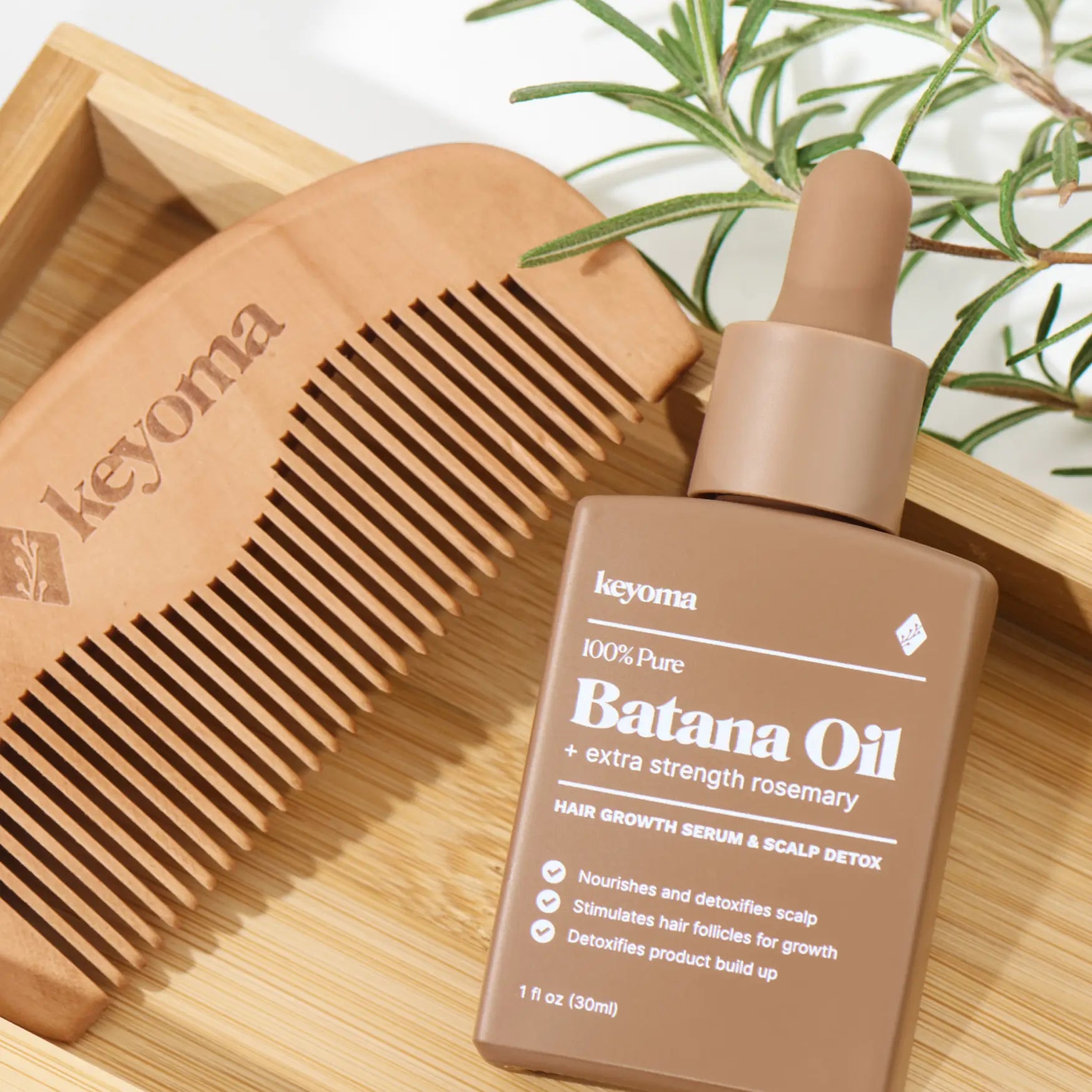
Use oil as support, not as the whole routine. Curly and textured hair still needs cleansing and conditioning. Oil can help seal in a softer feel, but it does not replace water-based moisture or conditioner. For men who want a richer natural oil option, pure batana oil may fit better as a pre-wash or ends-focused oil than a heavy root treatment.
Men Who Shampoo Often
Frequent shampooing can be necessary if you sweat often, use styling products, or have an oily scalp. The tradeoff is that the lengths may feel dry even when the scalp feels clean.
A pre-wash oil can help balance that. Apply it to the mid-lengths and ends before shampoo, let it sit briefly, then wash the scalp well. Men who shampoo several times a week usually do better with lighter applications rather than heavy oiling sessions.
If your schedule changes often, keep the routine flexible. Oil before the washes that tend to leave your hair feeling dry, not just because the calendar says it is time.
How to Build a Hair Oil Routine for Men
A good hair oil routine men can stick with should be simple. You do not need to coat every strand or sleep with oil on your scalp. Heavy application often creates more problems than it solves, especially for men with fine hair, oily roots, or short styles.
Use oil as a targeted step. For long hair, focus on dry ends and rough texture. For a dry scalp, use scalp oil only when your skin tolerates it. For heavy oils, pre-wash use is usually cleaner and easier than wearing oil through the day.
Start With a Small Amount
Begin with less oil than you think you need. Fine or oily hair may need only two to four drops on the ends. Medium hair may need a little more. Thick, coarse, curly, or longer hair can often handle a richer application, but it should still be spread evenly through your palms before touching the hair.
Too much oil creates flat roots, stringy ends, and a wash-day problem. You should be able to distribute the oil without leaving patches. If your hands still feel heavily coated after application, you probably used too much.
A lightweight hair oil is often a better match if your hair gets greasy quickly or looks limp with richer oils.
Focus on the Right Area
Placement matters more than frequency. If your scalp gets oily but your ends feel dry, keep oil away from the roots. Work it through the lower half of the hair, then comb gently if your hair type tolerates combing.
For dry, coarse, or textured hair, you may apply oil higher through the lengths, but avoid coating the scalp by default. Scalp oil should be a specific choice for dryness or tightness, not the standard method for every man.
Men with short hair should be extra careful. There is less length to absorb or distribute the oil, so even a small amount can reach the scalp fast.
Massage Gently
If you choose scalp oil, massage with light pressure. Use the pads of your fingers and move slowly across the scalp. Keep the massage brief and avoid scratching, even if the scalp feels itchy.
Scalp massage should not hurt. Burning, stinging, redness, worsening flakes, or breakouts are signs to stop. If you have ongoing itching, bleeding, scalp pain, sudden hair loss, patchy hair loss, or persistent shedding, get medical advice instead of trying to solve it with oil.
For ends-only oiling, massage is not needed. Smooth the oil through the ends, then leave the scalp alone.
Leave It On Briefly
Heavy oils usually work better before shampoo. For many men, 15 to 30 minutes is enough to soften the hair without turning the routine into a greasy all-day treatment. Very coarse or dry hair may tolerate longer, but longer is not always better.
If you want to oil before washing, timing matters. Apply it when you know you can shampoo thoroughly afterward. A detailed timing breakdown can help if you are deciding when to oil hair before shampooing instead of using oil after every shower.
Leave-in use should be much lighter. Use a tiny amount on the mid-lengths and ends only. Avoid the roots if your scalp gets oily quickly.
Shampoo Thoroughly
A pre-wash oil only works well if you remove the excess. Wet the hair fully, shampoo the scalp, and let the rinse carry enough cleanser through the lengths. If the roots still feel coated, shampoo the scalp again with a small amount.
Do not use regular hair oil as a heat protectant unless the product is specifically made and labeled for heat styling. Oil can make hair look shiny, but shine does not mean heat protection. Use a real heat protectant when blow-drying, flat ironing, or using hot tools.
If your hair feels oily after washing, adjust the next session. Use less oil, apply it lower on the hair, leave it on for less time, or choose a lighter oil.
Use Hair Oiling for Men Without Greasy Roots
Hair oiling for men works best when it is matched to the hair you actually have. Weekly oiling may help if your hair is long, dry, coarse, curly, textured, or prone to tangles. It may not fit if your scalp is oily, flaky, acne-prone, or easily irritated.
Keep the routine practical. Use scalp oil only when the scalp feels dry and tolerates it. Use ends-only oil when the roots get greasy but the bottom feels rough. Choose pre-wash oiling for heavier oils, and keep leave-in oil tiny and away from the roots.
The goal is softer, easier hair without buildup. When the amount, placement, and shampoo timing are right, oiling can support long hair care without making your scalp feel heavy.
Featured Product
30% Off + 3 FREE Gifts
100% Pure Batana Oil + Rosemary


