

In this article
Reverse washing hair means using conditioner before shampoo. It sounds backward, but the idea is simple. You still condition the hair, then shampoo after to remove some of the residue that can make fine or oily hair feel flat.
This routine is not a hair growth treatment. It does not fix thinning, shedding, or scalp conditions. It is mostly a cosmetic wash-day adjustment for people whose hair needs softness but loses volume when conditioner stays too heavy on the strands.
For fine, limp, oily, or easily weighed-down hair, reverse washing may help the roots look lighter while the ends still get some conditioning. The method is not right for every hair type, especially if your hair is curly, coily, very dry, knotty, or chemically processed and needs more moisture after shampooing.
Key Takeaways
-
Reverse washing means conditioner before shampoo.
-
Fine or limp hair may look lighter.
-
Dry or curly hair may need more conditioner.
-
Hair oil works best in tiny amounts.
What Is Reverse Washing Hair?
Reverse washing hair is a two-step wash method where you apply conditioner first, rinse, then shampoo. Byrdie’s expert-reviewed explainer describes reverse washing as conditioning the hair first, rinsing, and then shampooing, which can reduce the heavy feeling some conditioners leave behind.
The routine is different from co-washing. Co-washing uses conditioner or a cleansing conditioner instead of shampoo. Reverse washing still uses shampoo, just after conditioner. That difference matters because shampoo is still doing the main scalp-cleansing work.
Think of reverse washing as a test for hair that feels stuck between two problems. Your ends may need conditioner, but your roots may look greasy or flat after regular conditioning. If that sounds familiar, a fine hair care routine may need lighter placement, better rinse-out habits, and less product near the scalp.
Does Reverse Washing Really Work?

Reverse washing can work for some people, but “work” should be defined carefully. It may help hair look lighter, cleaner, and more lifted after washing. It does not change your hair type or treat the cause of hair thinning.
The method makes the most sense when conditioner weighing hair down is the main issue. Shampooing after conditioner can remove some of the leftover coating that makes fine hair look limp. It can also let you keep a conditioning step instead of skipping conditioner completely.
Less Conditioner Residue
Conditioner helps with softness, slip, and manageability, but too much residue can flatten fine hair. Reverse washing gives the hair contact with conditioner first, then follows with shampoo to reduce the coating left behind.
This can be useful if regular washing leaves your hair soft but lifeless. It may also help if conditioner makes your roots feel greasy quickly, especially when you accidentally apply it too close to the scalp.
Lighter-Looking Roots
Roots often look flat when conditioner, styling cream, oil, or buildup sits too close to the scalp. Reverse washing can leave the root area cleaner because shampoo comes second.
Dr. Shilpi Khetarpal says people with finer hair may wash every one to two days, and shampoo should be applied to the scalp while conditioner belongs on the ends. She also notes that conditioner on the scalp can make hair greasy.
Softer Ends
Reverse washing should not mean skipping moisture. The ends still need conditioning because they are older, drier, and more exposed to brushing, heat, and friction.
Apply conditioner mainly from the mid-lengths to the ends. If your ends still feel rough after reverse washing, your hair may need a lighter leave-in, a more targeted oil step, or a different routine than classic reverse washing.
Better Volume for Fine Hair
Fine hair often looks weighed down faster because each strand has less structure and less room to hide residue. Removing some conditioner after it has softened the hair can make the finished style look fuller.
Byrdie notes that reverse washing is often used as an aesthetic step for fine or thin hair because it can help hair appear fuller, but it does not treat the actual cause of thinning or hair loss.
Who Should Try Conditioner Before Shampoo?
Conditioner before shampoo is most useful for people with fine, limp, oily, or easily weighed-down hair. It may also help if your hair needs softness but looks flat after regular conditioner use.
Try it if your roots get oily fast, your conditioner makes your hair feel coated, or your style collapses soon after washing. It can also fit an oily scalp and dry ends pattern because the scalp and ends often need different care.
The American Academy of Dermatology recommends washing based on how dirty or oily the hair gets, applying shampoo to the scalp instead of the full length, and using conditioner after washing. It also notes that fine or straight hair usually needs conditioner on the ends, while dry or curly hair may need conditioner through the length.
That guidance still applies if you reverse wash. Shampoo belongs mainly on the scalp. Conditioner should stay focused where the hair needs slip and softness.
Who Should Avoid Reverse Washing?
Reverse washing may not be ideal for hair that needs more moisture after shampoo. Curly, coily, very dry, thick, knotty, bleached, relaxed, or damaged hair may feel rougher if shampoo removes too much conditioner before the final rinse.
Women’s Health notes that reverse washing may suit fine hair or oily scalps better than curly, coily, knotty, or chemically processed hair, which may need more moisture and conditioning support.
Avoid reverse washing if it makes your ends squeaky, tangled, frizzy, or harder to comb. Also avoid it if you are using it to hide hair loss instead of getting help. Limp hair and thinning hair can look similar, but they are not the same thing.
A modified option is conditioner-wash-condition, often called CWC. Vogue describes it as applying conditioner to the lengths and ends before shampoo, then conditioning again after shampoo. This may work better when your scalp needs cleansing but your ends still need a final moisture step.
How to Reverse Wash Your Hair

Reverse washing is simple, but placement matters. The goal is not to coat your scalp with conditioner and then scrub harshly. The goal is to soften the hair where it needs care, then cleanse the scalp well enough that the finished result feels light.
Try it for one wash first. If your hair looks cleaner and feels softer without collapsing, you can repeat it occasionally or add it to your regular routine.
Wet Hair Fully
Wet your hair fully before applying conditioner. Hair that is only partly wet may grab product unevenly, which can leave some areas coated and others dry.
Use warm water, not very hot water. Hot water can make dry ends feel rougher and may leave the scalp uncomfortable.
Condition Mid-Lengths and Ends
Apply conditioner from the mid-lengths to the ends. Fine hair usually does not need conditioner at the roots, especially if the scalp gets oily fast.
Use enough conditioner to give the ends slip, but not so much that the hair feels coated. If your ends are dry, take a little extra time to smooth the product through the lower lengths.
Rinse Lightly
Rinse lightly before shampooing. You do not have to remove every trace of conditioner at this point, but the hair should not feel slippery enough that shampoo cannot reach the scalp.
If your hair tangles easily, use your fingers to separate sections gently. Avoid rough combing while the hair is wet and fragile.
Shampoo the Scalp
Apply shampoo to the scalp, not the full length. Massage with your fingertips and let the rinse move through the ends.
If your main problem is flat roots, this step matters most. The scalp needs cleansing, while the ends usually need less direct shampoo. For oil timing beyond wash day, pre-wash vs. post-wash hair oil can help you separate cleansing support from finishing shine.
Rinse Well
Rinse well so shampoo and conditioner do not sit on the scalp or hair. Leftover residue can make fine hair feel heavy again.
After rinsing, check how the hair feels. If the ends feel too dry, use a lighter conditioner next time or try the CWC variation with a small amount of conditioner after shampoo.
Reverse Washing vs Regular Washing

Reverse washing and regular washing both use shampoo and conditioner. The difference is timing. Regular washing cleanses first and conditions second. Reverse washing conditions first and cleanses second.
Neither method is universally better. Regular washing works well when your hair needs moisture after shampoo. Reverse washing may work better when your hair gets flat or greasy from conditioner residue.
Volume
Reverse washing usually wins for volume on fine or limp hair. Shampooing last can leave the roots feeling cleaner and less coated.
Regular washing can still work if you keep conditioner off the roots and rinse well. If your hair is fine but not oily, you may not need reverse washing every time.
Moisture
Regular washing usually gives more moisture because conditioner is the final step. That can be better for curls, coils, dry ends, damaged hair, or hair that tangles easily.
Reverse washing gives a lighter finish, but the tradeoff can be less conditioning left on the strand. If your ends feel straw-like after reverse washing, it may not be the best main routine.
Frizz
Frizz can improve or worsen depending on your hair type. Fine hair may look smoother when excess conditioner is removed. Dry or curly hair may frizz more if shampoo removes too much conditioning support.
If your frizz comes from dry ends, oil or leave-in care may help more than changing the wash order. A small amount of lightweight hair oils can smooth the ends without coating the scalp when used carefully.
Product Buildup
Reverse washing can help reduce conditioner residue, but it is not a full buildup solution. Styling creams, dry shampoo, heavy oils, gels, and sprays can still collect on the scalp and hair.
Cleveland Clinic notes that styling products can build up on the hair and scalp, which may lead to irritation, damage, and an oily feel. Dr. Khetarpal suggests clarifying shampoo one to two times per month for people who use a lot of styling products.
Where Hair Oil Fits in a Fine Hair Routine

Hair oil can fit a fine hair routine, but placement and amount matter. Fine hair often gets greasy quickly, so oil should not be applied heavily from roots to ends.
For Keyoma, the best fit is controlled use. Use oil as a short pre-wash step, a tiny amount on dry ends, or a light non-wash-day shine step. If your roots get oily fast, keep oil away from the scalp.
Pre-Wash Oiling
Pre-wash oiling can help if your ends feel dry but your roots get greasy. Apply a small amount of oil to the ends before shampooing, then wash it out.
This gives the ends some slip and softness without leaving the finished hair heavy. For timing, when to oil hair before shampooing can help you keep the step short and clean.
Dry Ends Only
Fine hair can have dry ends even when the scalp is oily. In that case, treat only the dry area. One drop may be enough.
Pure batana oil is richer, so it is usually better as a small end-focused step or a pre-wash treatment for fine hair. Too much can make the hair look flat.
Non-Wash-Day Shine
On non-wash days, oil should be used like a finishing touch. Rub a tiny amount between your palms and skim it over the dry-looking ends.
Avoid putting oil near the roots unless your scalp is dry and you know it tolerates oils well. If the goal is shine without heaviness, best hair oils for fine hair is a better match than a heavy all-over oiling routine.
Avoiding Heavy Roots
Heavy roots usually come from too much product, poor placement, or not rinsing well. Conditioner, oil, serum, and styling cream can all flatten fine hair when they sit near the scalp.
Keep your scalp routine clean and simple. Use conditioner and oil where the hair needs them most, usually the mid-lengths and ends. If your hair still feels greasy quickly, the issue may be wash frequency, product buildup, or scalp oil rather than a lack of conditioning.
Try Reverse Washing Hair for Lighter Volume
Reverse washing hair can be a useful routine tweak if conditioner makes your fine, limp, or oily-prone hair feel heavy. It lets you condition first, then shampoo after so the scalp and roots feel cleaner while the ends still get some softness.
Use it as a flexible method, not a rule for every wash. Fine hair may enjoy the lighter finish, while curly, coily, dry, damaged, or chemically treated hair may need more conditioning after shampoo. Keep oil use small and targeted, especially with richer oils, so your routine supports softness without weighing down your roots.
Featured Product
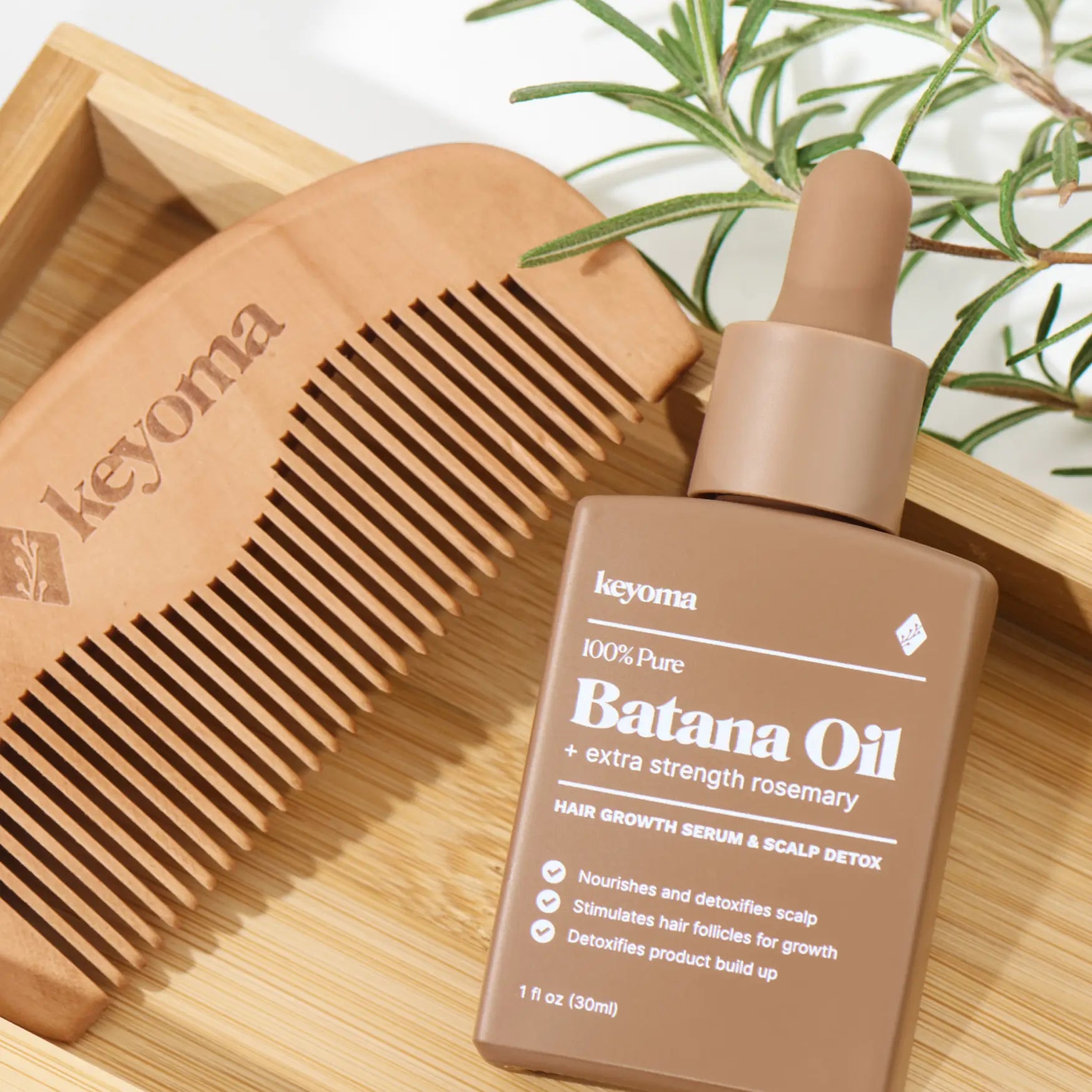
30% Off + 3 FREE Gifts
100% Pure Batana Oil + Rosemary


