

In this article
A hair oil routine should leave your scalp feeling comfortable, not hotter, itchier, or more tender than before. If discomfort keeps showing up after each use, you may be dealing with a scalp reaction to essential oil blend, especially if the blend contains aromatic oils such as rosemary, peppermint, tea tree, lavender, or citrus.
A reaction can feel different from your usual scalp pattern. You may notice itching, burning, redness, tenderness, bumps, or flakes that seem new or worse after oiling. Some reactions happen quickly. Others appear after repeated use, which can make the cause harder to spot.
This is not a diagnosis of allergy, dermatitis, dandruff, psoriasis, eczema, or infection. It is a practical safety check to help you decide when to pause, rinse, patch test, dilute, or choose a gentler routine. If symptoms are severe, spreading, painful, or persistent, stop using the product and speak with a healthcare professional.
Key Takeaways
-
Burning is not proof that a hair oil is working.
-
Redness with itching, swelling, or pain should not be ignored.
-
Essential oils can irritate sensitive scalps even when they are natural.
-
Stop use if the same symptoms return after each application.
What Counts as a Scalp Reaction to an Essential Oil Blend?
A scalp reaction to essential oil blend can happen when your skin does not tolerate one or more parts of the formula. The trigger may be the essential oil itself, the dilution level, fragrance compounds, a carrier oil, preservatives, or simply repeated use on a scalp that is already stressed.
Skin reactions can come from irritants or allergens. Cleveland Clinic explains that contact dermatitis can happen when the skin reacts to something it touches, and symptoms may appear quickly with irritation or later with an allergic response. The scalp, face, and neck can all be affected by contact dermatitis.
A little warmth from massage is not the same as burning, pain, or ongoing itching. Massage pressure can make the scalp look temporarily pink, especially near the hairline. A stronger warning sign is discomfort that builds, returns, spreads, or continues after you rinse.
Oil can also move beyond the scalp. A blend may drip toward the forehead, ears, neck, or sides of the face. If those areas become red, itchy, swollen, or bumpy after use, treat the pattern as part of the same possible scalp reaction to hair oil.
Signs Your Scalp May Not Like an Essential Oil Blend

Most people notice a reaction because the scalp feels different from its normal baseline. The change may be subtle at first, then more obvious after the next application. Pay attention to timing, location, and whether symptoms repeat with the same blend.
DermNet notes that allergic contact dermatitis from essential oils commonly involves itching, redness, and scaling at the contact site, and symptoms can extend beyond the area where the oil touched the skin.
Itching That Builds Instead of Fading
Light scalp awareness can happen when you apply a new product, especially if you are massaging more than usual. That feeling should settle. Itching that grows stronger, distracts you, or continues after rinsing may point to essential oil scalp irritation.
An irritated scalp from oil can also feel restless. You may keep wanting to scratch one area, or the itch may move along the hairline, crown, or behind the ears. If the same pattern returns each time you use the blend, your scalp may be telling you the formula, amount, or frequency is not a good fit.
Avoid scratching hard, even when the itch feels intense. Scratching can make the scalp more tender and may blur the difference between product irritation and irritation caused by your nails.
Burning, Stinging, or Sharp Tingling
Strong burning is not a sign that the oil is “working.” Essential oils are concentrated, and a blend can feel too sharp if the dilution is too strong, the scalp barrier is already irritated, or the product is left on longer than your scalp tolerates.
Stop using the product if burning is strong or does not settle. Do not add more oil to push through the sensation. Rinse gently if the scalp feels uncomfortable, and give the skin time to calm before trying anything new.
If rosemary is part of the blend, dilution matters. A simple resource on how to dilute rosemary oil for hair can help you understand why a stronger mix is not always better for scalp comfort.
Redness Around the Scalp, Hairline, or Ears
Scalp redness from oil may show up as pinkness, warmth, visible irritation, or darker discoloration depending on your skin tone. Redness deserves more attention when it comes with itching, heat, tenderness, swelling, or burning.
Temporary pinkness from rubbing can happen after a firm massage. Redness that returns after each use is different. That repeat pattern suggests the blend may be too strong, the application may be too aggressive, or your scalp may not tolerate one of the ingredients.
AAD lists contact dermatitis signs that can include itchy skin, rash, tender skin, burning, stinging, hives, and blisters. It also notes that the scalp can be a common area for contact dermatitis from personal care products.
Flaking That Feels New or Worse
Flaking after oiling does not automatically mean the oil caused dandruff. Flakes can look worse when oil loosens buildup, traps dead skin, or makes an already reactive scalp feel heavier. The useful question is whether the flaking pattern changes after each use.
If flakes look worse after each application, your scalp may need cleansing, a different frequency, or a gentler routine. Heavy or repeated oiling can also make buildup feel more noticeable, especially if the scalp is not being cleansed well between applications.
For a broader look at over-application, the hair oil overuse guide can help you compare normal oiling with signs that your scalp may be getting more product than it can handle.
Tenderness, Tightness, or Soreness
A scalp that feels sore to the touch is worth taking seriously. Tenderness may show up when you brush, part your hair, tie your hair back, or press lightly on the area where you applied oil.
Tightness can also appear after a product dries down or after repeated use. A tight, sore scalp may suggest the blend is too strong, used too often, left on too long, or applied to skin that was already scratched or inflamed.
Do not keep applying the same blend to “train” your scalp. Comfort is a better signal than tolerance built through discomfort.
Bumps, Rash, or Swelling
Bumps, rash, swelling, or irritation spreading beyond the scalp needs extra caution. These signs may point to a stronger reaction, especially when the affected area feels hot, painful, or intensely itchy.
Stop using the blend and avoid adding new active products on top. If symptoms are severe, spreading, painful, blistering, or not settling, speak with a healthcare professional. If swelling affects the lips, mouth, or breathing, seek urgent medical help.
Is Redness After Oiling Normal?
Redness after oiling is not something to dismiss automatically. A little short-lived pinkness may happen from rubbing or massage, especially if you used firm pressure. Redness paired with burning, itching, swelling, pain, or tenderness is a stronger warning sign.
Look at how long the redness lasts and whether it returns. If the same area becomes red every time you use the blend, the product, amount, dilution, or massage method may be too much for your scalp. Repeated redness is more useful information than one isolated moment of warmth.
Application technique also matters. Firm circular rubbing can irritate the scalp even when the oil is mild. Try lighter pressure, less product, and shorter contact time if the skin feels sensitive, but stop completely if redness keeps coming back with discomfort.
A rosemary oil reaction can happen for some users, especially when the scalp is already irritated or the blend is too strong. For broader ingredient safety context, the side effects of rosemary oil on hair page can help you separate normal use from signs that need caution.
What to Do If Your Scalp Feels Irritated After Oil
If your scalp feels irritated after oil, keep your response simple. Adding more products right away can make it harder to know what caused the reaction and may make the scalp feel worse.
Start by pausing the blend. If your scalp feels coated, sticky, hot, or uncomfortable, rinse or cleanse gently. Use light pressure with your fingertips instead of scrubbing. A harsh cleanse can irritate the scalp further, especially if you already scratched the area.
A calm response usually looks like this:
-
Stop using the blend for now.
-
Rinse or cleanse gently if the scalp feels coated.
-
Avoid adding more active products right away.
-
Do not scratch or scrub the irritated area.
-
Let the scalp settle before testing anything new.
Give the pattern time to become clear. If symptoms fade after you stop the blend, that is useful information. If symptoms persist, spread, or feel painful, a healthcare professional can help rule out contact dermatitis, infection, psoriasis, seborrheic dermatitis, or another scalp condition.
Handle Scalp Reaction to Essential Oil Blend Safely
Essential oil blends can fit some hair routines, but they are not right for every scalp. Warning signs include itching, burning, redness, rash, bumps, swelling, tenderness, or irritation that returns after each use.
Stop using the blend if symptoms keep coming back. Rinse gently if the scalp feels uncomfortable, avoid scratching, and give the skin time to settle before trying anything new. If symptoms are severe, spreading, painful, or persistent, get medical advice instead of guessing.
Choose the right routine by listening to scalp comfort first. Hair goals matter, but your scalp should never feel forced.
Featured Product
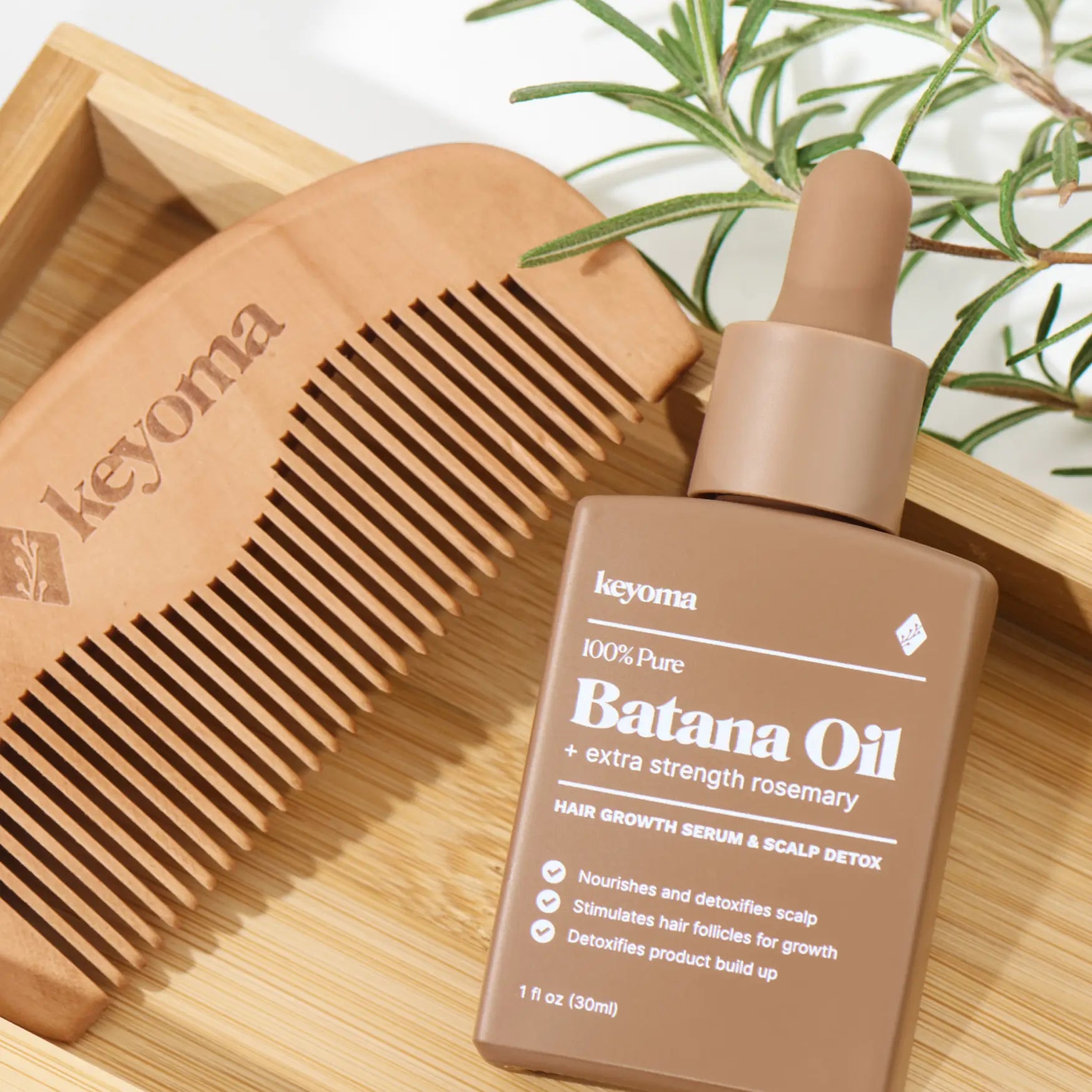
30% Off + 3 FREE Gifts
100% Pure Batana Oil + Rosemary


