

In this article
A lot of people do not wash their hair every time they shower, and there is a good reason for that. Washing too often can strip away natural oils, leaving hair dull, dry, and rough.
At the same time, not washing often enough can lead to issues like dandruff or an itchy scalp.
How often you should wash your hair can vary from person to person depending on your activity level and hair type. Understanding more about hair and scalp health can help you figure out the wash schedule that works best for you.
Key Takeaways
-
Washing needs vary based on hair type, oil level, activity, and scalp condition.
-
Washing less often may help dry, curly, coily, or damaged hair keep more natural oils.
-
Washing too little can lead to grease, odor, itching, inflammation, flakes, or buildup.
-
Oil, dirt, product, and scalp buildup may affect comfort and healthy hair growth.
What's the Point of Washing Your Hair?
There has never been one strict rule for how often you need to wash your hair. In the end, much of it comes down to personal preference. For example, if your hair is fine or naturally oily, you may need to wash more often. If your hair is thicker or curlier, you may find you can go longer between washes.
No matter your hair type, though, it still helps to wash it with some regularity to keep both your strands and your scalp in good shape.
Your scalp is full of sweat glands, so keeping it clean and dry matters. You would not go many days or weeks without washing your underarms, and the same basic idea applies to your scalp.
Are There Any Benefits For not Washing Your Hair?
There can be benefits to not washing your hair as often, especially if your hair is dry, damaged, or tightly curled. Depending on your ethnic background, washing less may also help reduce breakage and hair loss.
People with tight, coiled hair are at a higher risk for hair loss and breakage from a condition called acquired trichorrhexis nodosa (TN). Repeated heat styling and chemical processing can damage the outer protective layer of the hair shaft. That can then change the hair’s protein structure, creating weak points and breakage.
This is especially true for Black hair, since the fibers have an asymmetric shape and curvature, which can make them more vulnerable to breakage because of that weakness.
Washing less often is often suggested to help reduce the effects of TN.
Also, natural oils have a harder time traveling down curly hair. By washing less often, that sebum has more time to coat the strands and provide some protection.
At the end of the day, the benefits you see may depend on your hair type. If your hair is oily, you may need to wash it more often. But if your hair is natural, coarse, curly, or dry, washing it less often may help.
There’s no scientific proof that people with oily hair can “reset” the oil glands in their scalp.
Common Side Effects of Not Washing Hair![]()

Even with those possible benefits, not washing your hair can also have downsides, especially if you go too long.
Looking and Feeling Greasy
Whether your scalp tends to be dry or oily, it keeps producing sebum. If you do not wash often enough, that oil builds up and can make the hair look greasy and even start to create an unclean smell.
Slow Hair Growth
Handling your hair gently can support better hair health. That includes things like using a towel softly, avoiding high dryer heat, and getting salon care when needed.
If you do not wash your hair, dirt and product can build up on the scalp, and that may get in the way of healthy hair growth.
The main things that affect hair growth and the growth cycle include:
-
genetics
-
nutrition
-
stress
-
overall health
-
hair care
Itchy and Inflamed Scalp
Along with making the hair greasy, oil buildup can also leave your scalp feeling itchy, sensitive, and inflamed.
While sebum does act as a natural moisturizer, it also attracts dirt, dust, and other pollutants from the environment. It can also give bacteria, fungi, and yeast something to feed on and multiply around, which may lead to scalp irritation.
That is one of the clearest signs you may not be washing your hair often enough. If itchiness happens a lot, it may be time to rethink your wash schedule.
Flaking or Dandruff
A flaky scalp often shows up alongside itchiness and grease. If you are not washing regularly, sebum can collect on the scalp and create an environment where yeast thrives. That may lead to seborrheic dermatitis, more commonly called dandruff.
If dandruff keeps coming back even though you shampoo routinely, you may need a medicated anti-dandruff shampoo to deal with the yeast more effectively.
Risk of Ingrown Hair
If product or oil builds up on the scalp, you may develop an ingrown hair. That happens when a hair grows back into the scalp, and it can be painful.
To help manage it, you can do the following:
-
Apply warm compresses to the area at least three times a day.
-
Gently scrub after the compress with a damp washcloth.
-
Shampoo daily with a soothing antiseptic shampoo.
-
Moisturize the scalp.
-
Avoid covering your head.
Gross Odor
Very oily hair tends to hold onto smells, whether they come from the gym, the kitchen, or a pillowcase that should have been washed days ago. Your hair can easily start carrying traces of whatever odors it has been around.
There is also ordinary body odor, sweat, and bacteria that can linger in the hair. Left alone too long, that can start smelling sour or musty, especially if your hair is thick and traps odor more easily.
The longer you go without washing, the stronger that smell can get. Even if you shower regularly, plain water often is not enough to remove it. I noticed my scalp felt better when I stopped stretching wash days too far. We have heard from people looking for a shampoo alternative because the smell in their hair had become too noticeable to ignore.
Wash Hair Based on Your Scalp Needs
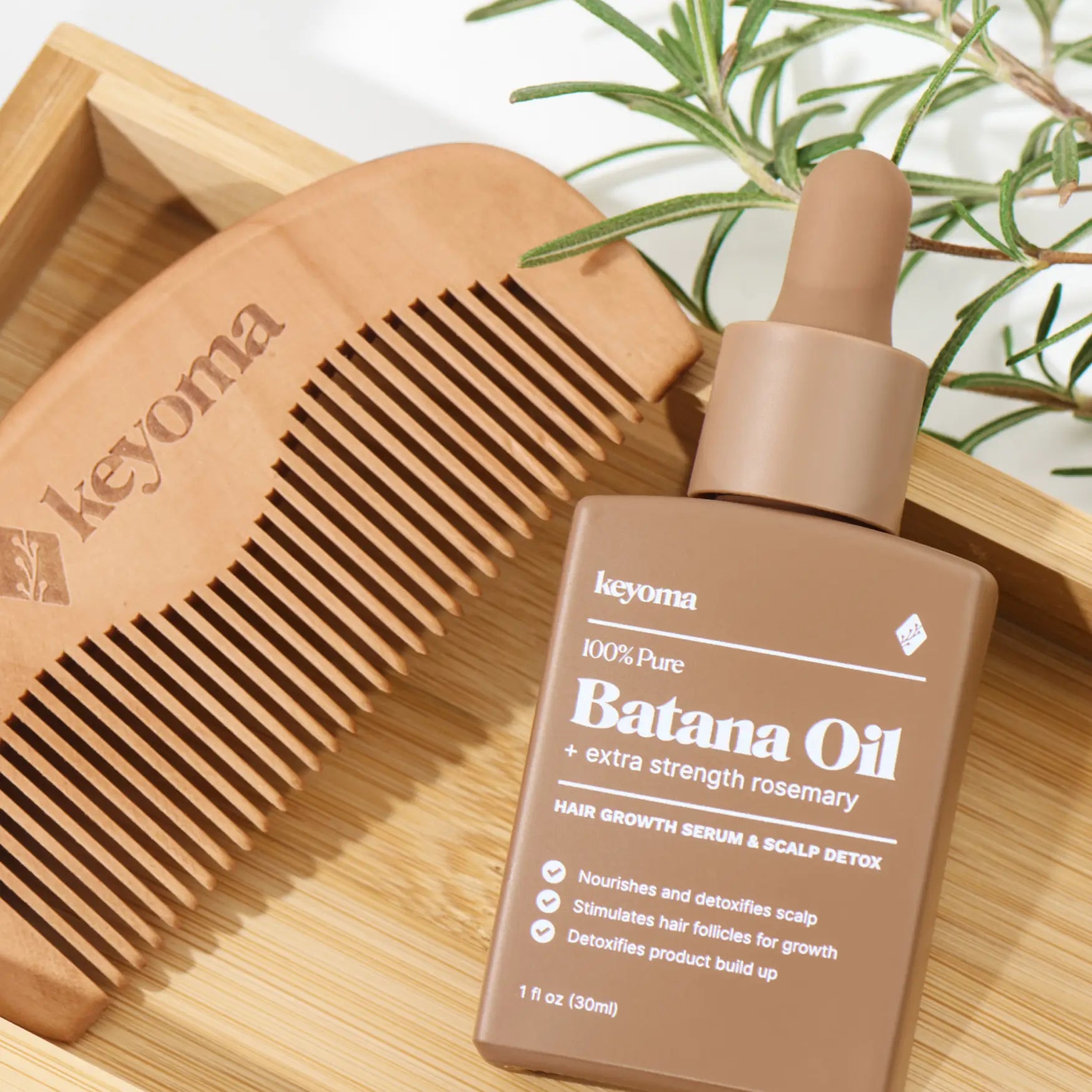
Use pure batana oil when your hair needs moisture support between washes without neglecting scalp cleanliness. Stretching wash day can help some dry, coarse, or curly hair hold onto its natural oils, but buildup changes that balance.
Not washing often enough may lead to dandruff or an itchy scalp, which is why balance matters more than simply trying to go as long as possible between washes. Healthy hair needs both protection and release.
When your strands feel dry, the answer is not always more shampoo or less shampoo. It is better moisture judgment. A nourishing oil can help your hair stay softer between washes while you keep the scalp-care habits that make growth feel cleaner, calmer, and easier to maintain.
Featured Product
30% Off + 3 FREE Gifts
100% Pure Batana Oil + Rosemary


