

In this article
A bad haircut can feel urgent the moment you leave the salon. Maybe the ends look uneven, the layers feel choppy, or your hair was cut much shorter than you expected. Before you panic or try to fix it yourself, give your hair a few days to settle.
Freshly cut hair can look sharper, puffier, or less natural until you wash it and style it at home. Your normal part, texture, shrinkage, and daily routine may change how the cut sits. Once you see how it behaves outside the salon, it becomes easier to decide whether you need a small professional adjustment, a styling workaround, or a careful grow-out plan.
The safest path depends on the problem. Uneven ends and bulky sections may be fixable now. Hair cut too short usually needs patience, styling, and breakage control. The goal is not just faster growth. It is keeping the length you grow so the cut stops feeling stuck.
Key Takeaways
-
Wait a few days before making another major cut.
-
Small professional adjustments can soften uneven or bulky areas.
-
Length retention matters more than frequent trimming.
-
Gentle styling helps reduce breakage while hair grows.
Can a Bad Haircut Be Fixed?
Many bad haircuts can be improved, but not every fix means cutting off more hair. If your ends are uneven, your layers look disconnected, or one side feels heavier than the other, a stylist may be able to blend, soften, or reshape the cut without removing much length.
The first step is to identify what is actually bothering you. A cut can feel wrong because it is technically uneven, but it can also feel wrong because it does not match your hair texture, face shape, density, or styling habits. Curly and wavy hair can also shrink after drying, which may make a cut look shorter or less balanced than it did while wet.
Stylist-led advice from Byrdie notes that speaking with your stylist, asking for a fix, or getting a second opinion can be reasonable when a haircut feels off. It also cautions against rushing into DIY fixes, since small mistakes can make the shape harder to correct.
If the haircut is already too short, the best bad haircut fix may be restraint. Removing more length can make the emotional shock worse. A better plan may be to soften the outline, style around the shape, and protect your ends while the length returns.
What Should You Do After a Bad Haircut?
Start by washing and styling your hair the way you normally would. A salon blowout, flat iron finish, or heavy product can hide how a cut will behave in real life. Once your hair is clean and styled in your usual way, check the shape from the front, sides, and back.
Take clear photos before contacting the salon. Photos help you explain the issue without sounding vague or emotional. If the cut is visibly uneven, too bulky in one area, or hard to style even after washing, it is fair to ask for a correction plan. If you feel too upset to go back to the same stylist, a second opinion from a more experienced stylist may be smarter.
Ask for Small Adjustments
Ask for specific, small changes instead of asking the stylist to “fix everything.” Clear requests are easier to execute and less likely to remove more length than needed.
You might say the front pieces feel too heavy, the back looks uneven, or the layers do not blend when your hair air-dries. Coveteur’s stylist communication advice also emphasizes bringing photo references, checking the back, and making sure layers connect visually.
Blend Uneven Layers
Uneven hair often looks worse when layers have hard steps or disconnected panels. A stylist can sometimes point-cut, texturize, or blend the transition so the shape looks softer.
Blending is different from making the haircut much shorter. The goal is to make the uneven areas less obvious while keeping as much length as possible. For curly, coily, or wavy hair, ask the stylist to consider shrinkage before removing more hair.
Shape the Ends
If the ends look ragged, stringy, or uneven, a tiny shape-up may make the haircut look more intentional. This can be helpful when one side is longer, the back has a tail, or the baseline does not sit cleanly.
Keep the request narrow. Ask for a dusting or a small perimeter clean-up, not a full restyle. If the haircut is already shorter than you wanted, every extra inch matters.
Avoid Cutting Too Much More
Panic cutting is the fastest way to turn one regret into a longer grow-out problem. Put down kitchen scissors, avoid cutting bangs out of frustration, and do not keep trimming to chase perfect symmetry.
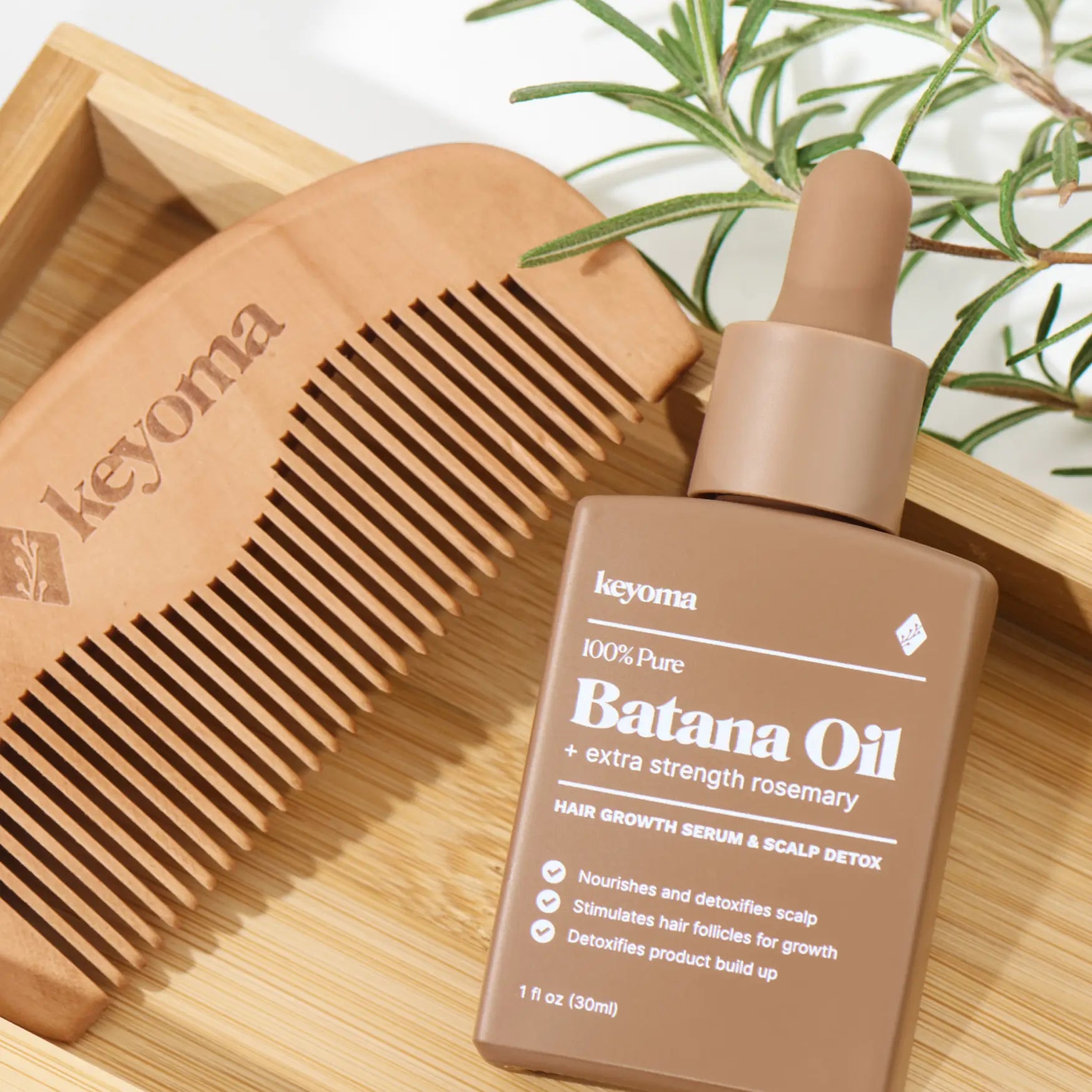
Style the cut for a few days first. Change your part, add soft waves, use clips or pins, try a headband, or control volume with light smoothing products. If your ends feel dry while you are styling around the shape, a small amount of pure batana oil can help add slip and softness, but it will not correct the haircut itself.
How to Grow Out a Bad Haircut
Growing out a bad haircut takes patience because hair growth has a biological pace. Cleveland Clinic explains that there is no way to grow inches of hair overnight, but balanced nutrition, enough protein, and correcting nutrient gaps can support healthy growth.
For many people, the bigger issue is not slow scalp growth. It is length retention. If your ends keep snapping, splitting, or fraying, your hair may be growing from the root while the bottom breaks off. That makes the haircut feel like it is not improving.
Use Oil For Pre-Wash Moisture
Pre-wash oiling can help dry ends feel softer before shampooing. Apply a small amount through the mid-lengths and ends, let it sit, then wash as usual. Focus on areas that feel rough or frizzy, not the scalp unless your scalp tolerates oil well.
A pre-wash oil will not make uneven layers disappear. It can support smoother styling and reduce the dry, rough feeling that makes a bad haircut look more obvious. If you are comparing timing, pre-wash vs post-wash hair oil can help you choose where oil fits best in your routine.
Protect Your Ends
Ends are the oldest part of your hair, so they need the most protection during an awkward haircut grow-out. Friction from collars, pillows, towels, brushes, and tight hairstyles can make damaged or dry ends worse.
AAD advises applying shampoo mainly to the scalp and using conditioner after shampoo, especially because conditioner can improve shine, reduce static, and help protect hair from damage. If your haircut has choppy ends, this basic step can make styling easier while the shape grows.
Reduce rough handling where you can. Use a soft towel or T-shirt to blot water. Detangle gently from the ends upward. Sleep with hair contained if it tangles easily. If your ends snag on clothing or bedding, hair friction damage may be part of why your grow-out feels slow.
Trim Only When Needed
Small trims can make uneven hair look more intentional, but frequent trims are not required when your main goal is growing length. Trimming does not make hair grow faster from the scalp. It only removes damaged or uneven ends.
A trim makes sense when the shape is visibly uneven, the ends are splitting, or the haircut has grown into a bulky stage that will not sit well. Ask for the least amount needed to restore shape. For a bad haircut that was cut too short, spacing trims farther apart may protect your progress.
Reduce Heat Styling
Heat can help you style around a haircut you dislike, but daily heat can also make the grow-out harder. Excessive heat can dry the hair, roughen the surface, and contribute to breakage, especially on fragile ends.
AAD lists excessive heat, rough towel drying, tight styling, and harsh brushing among habits that can damage hair. Use heat only when it gives you a real styling benefit. Lower the temperature, add a heat protectant, and avoid passing hot tools over the same section again and again.
If you rely on hot tools to control shape, compare your options carefully. A heat brush vs blow dryer choice can affect tension, volume, and how much heat your hair receives.
Keep Hair Moisturized
Moisture will not repair a bad cut, but it can make uneven hair look less harsh. Dry ends separate, frizz, and catch light in a way that can exaggerate choppy layers. Conditioned ends usually sit smoother, which helps the haircut look more controlled.
Use conditioner every wash unless your hair type or stylist suggests otherwise. Add a leave-in conditioner if your hair tangles or feels rough after drying. A light oil on the ends can help seal in softness and reduce friction. For very dry tips, hair oil for dry ends may fit better than applying heavy products near the roots.
Track Monthly Growth
Check progress monthly, not daily. Daily mirror checks can make the haircut feel worse because small growth changes are hard to see. Monthly photos from the front, side, and back give you a clearer view.
Use the same lighting, part, and styling method each time. Look for changes in how the layers fall, how the ends sit, and whether the shortest pieces are becoming easier to tuck, pin, or blend. If you want more context on realistic growth after a cut, hair grow faster cutting covers why cutting does not speed growth from the root.
Prevention matters for your next appointment. Bring reference photos that match your real texture and density. Explain how often you heat style, air-dry, wear your hair up, or use natural texture. Ask for small changes first, and ask to see the back before you leave the salon.
Ease a Bad Haircut Into Softer Shape
A bad haircut does not always need a dramatic fix. Often, the best plan is a small professional adjustment, a few styling changes, and a gentler routine that protects the length you are trying to grow.
Give the cut time to settle, then decide with a clearer eye. If the shape is uneven, bulky, or impossible to style, go back to a stylist with specific requests. If the hair was cut too short, focus on softness, moisture, less heat, and fewer breakage triggers. The haircut will grow out, but protecting your ends helps you keep more of the progress.
Featured Product
30% Off + 3 FREE Gifts
100% Pure Batana Oil + Rosemary


